 Image 1 of 5
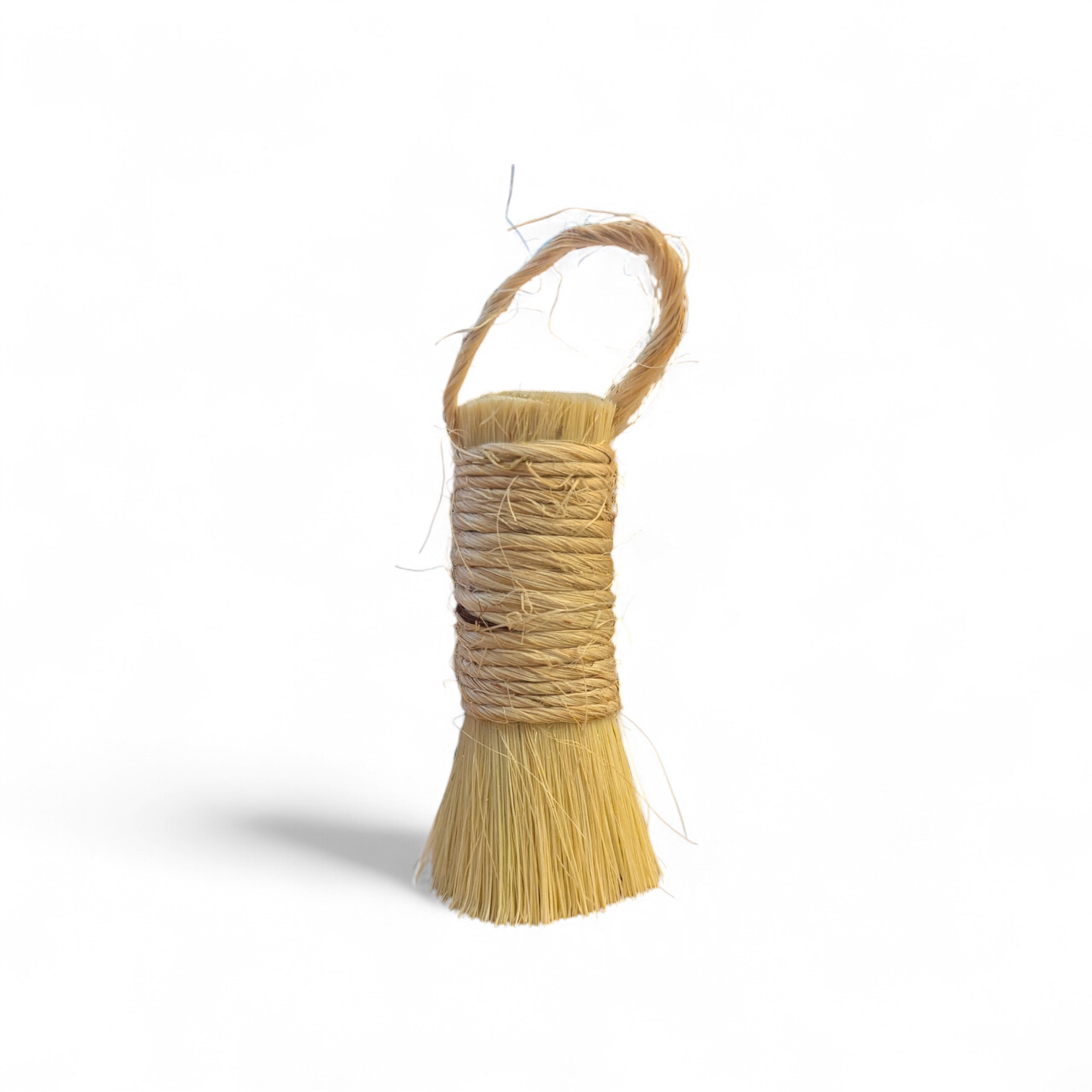 Image 2 of 5
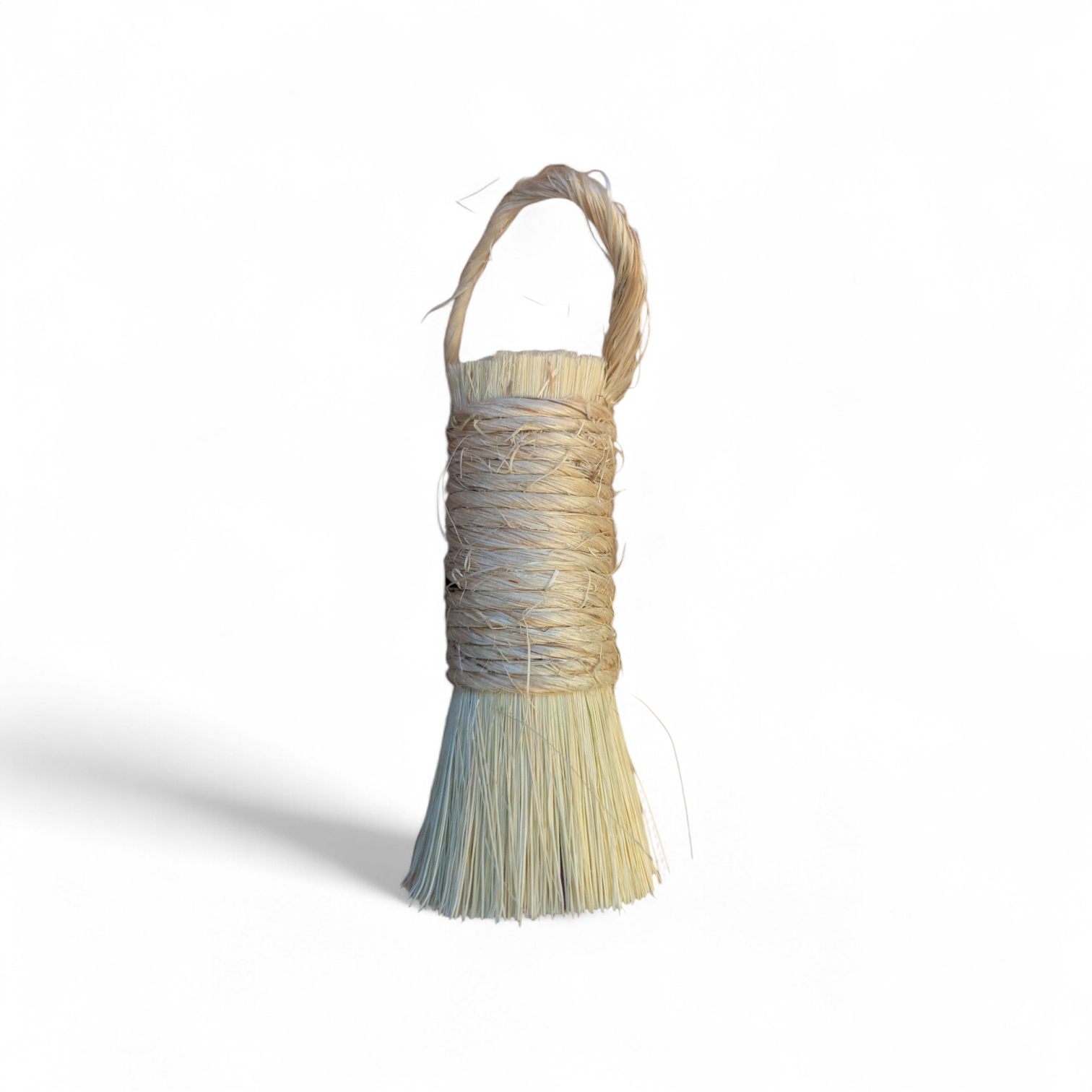 Image 3 of 5
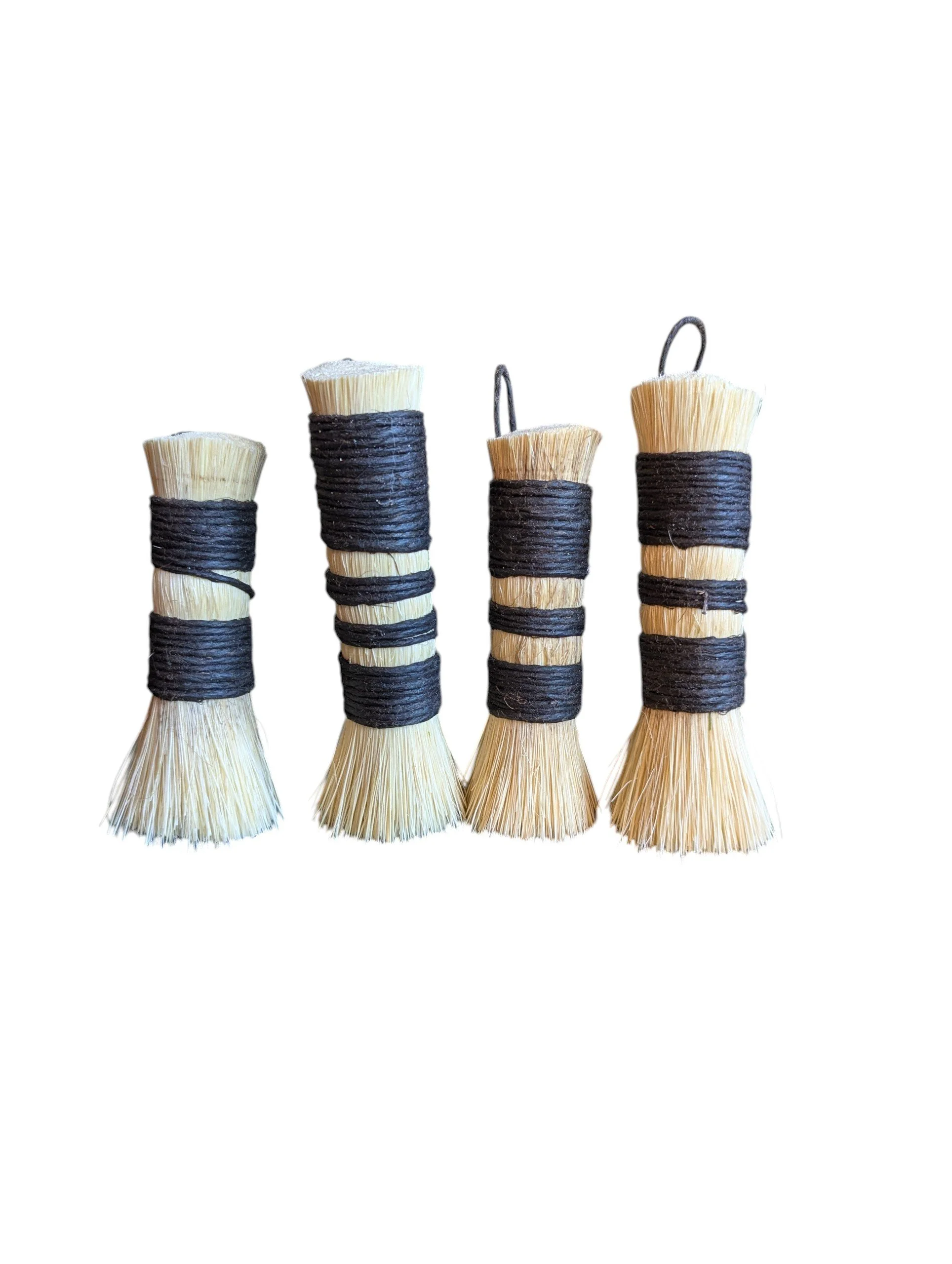 Image 4 of 5
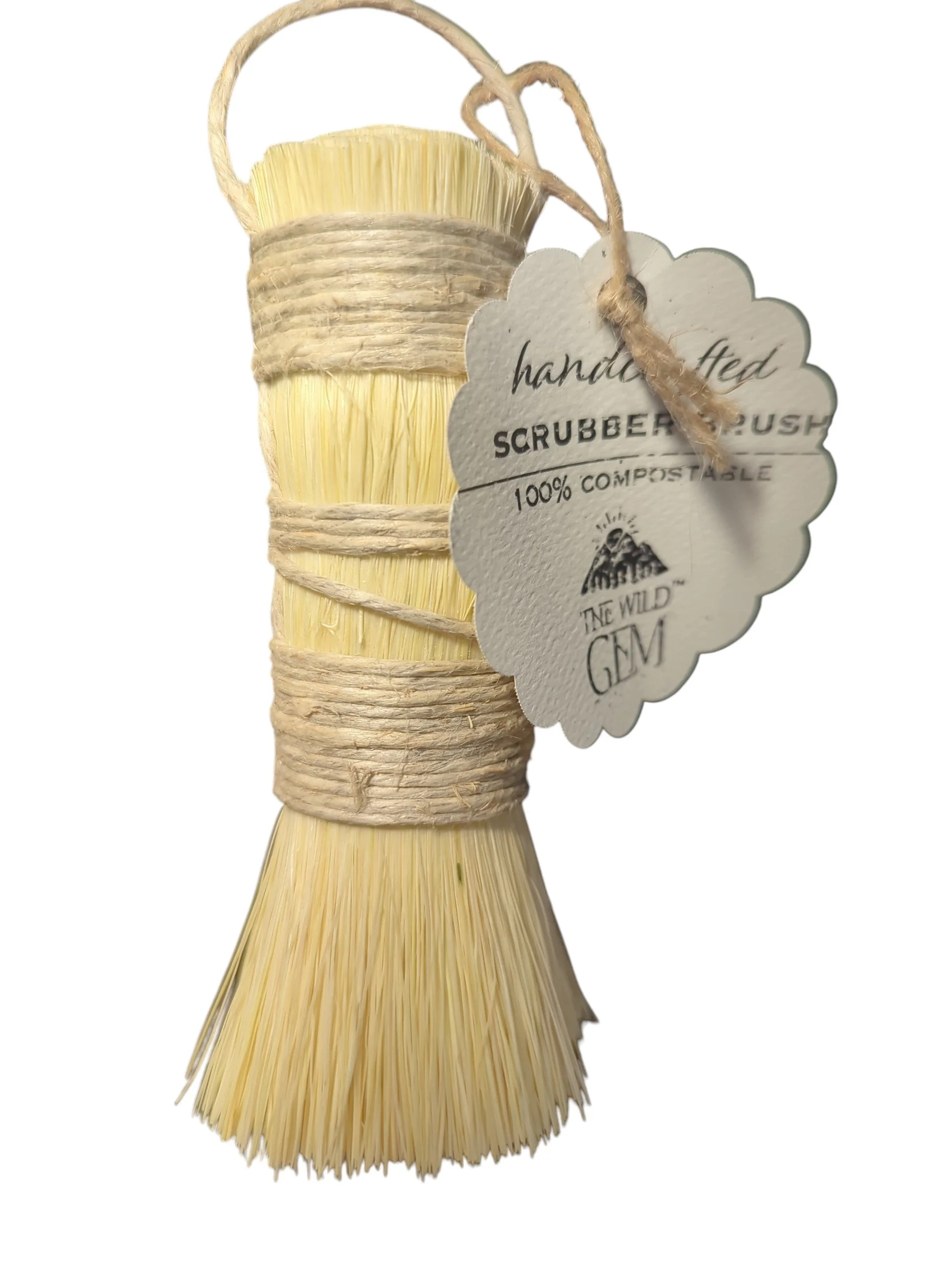 Image 5 of 5
Natural from bristle to binding.
-
MATERIALS
Tampico Fiber · Natural CordageSIZE
Approx. 4–6 inchesBEST FOR
Dishes · Pans · Glassware · Hands + Nails · Everyday ScrubbingCONSTRUCTION
Shaped + Bound by HandVARIATION
Each scrubber is handmade · Size, shape + texture will varyEND OF LIFE
Fully CompostableCORDAGE OPTIONS
Sisal · Hemp · Tarred Hemp
-
Rinse thoroughly after use and shake out excess water.
Allow to air dry between uses. Keeping the fibers clean and allowing them to dry completely will help extend the life of your scrubber.
With proper care, your Tampico Scrubber can last up to 12 months.
Replace when the fibers become significantly worn or no longer scrub effectively.
A handful of fiber. A sink full of dishes.
THE EXPERIENCE
FEEL THE FIBER
NOTICE THE WATER
FOLLOW THE MOTION
Tampico has a texture you immediately notice—firm, springy fibers that give as you scrub, then spring back into place.
The small bundle fits naturally in your hand, letting you work around plates, pans and glasses without a molded handle between you and the task.
Rinse it. Shake it out. Hang it by its cord or stand to dry until the next sinkful.
Plant fiber. Natural cordage. That's the whole scrubber.
WHAT IT’S MADE OF
TAMPICO FIBER
Tampico is a plant fiber traditionally obtained from Agave lechuguilla, a hardy plant that grows in the dry, rugged landscapes of northern Mexico. Its firm, flexible fibers create a naturally textured scrubbing surface—stiff enough to work at stuck-on food and grease, with enough give for everyday dishwashing.
NATURAL CORDAGE
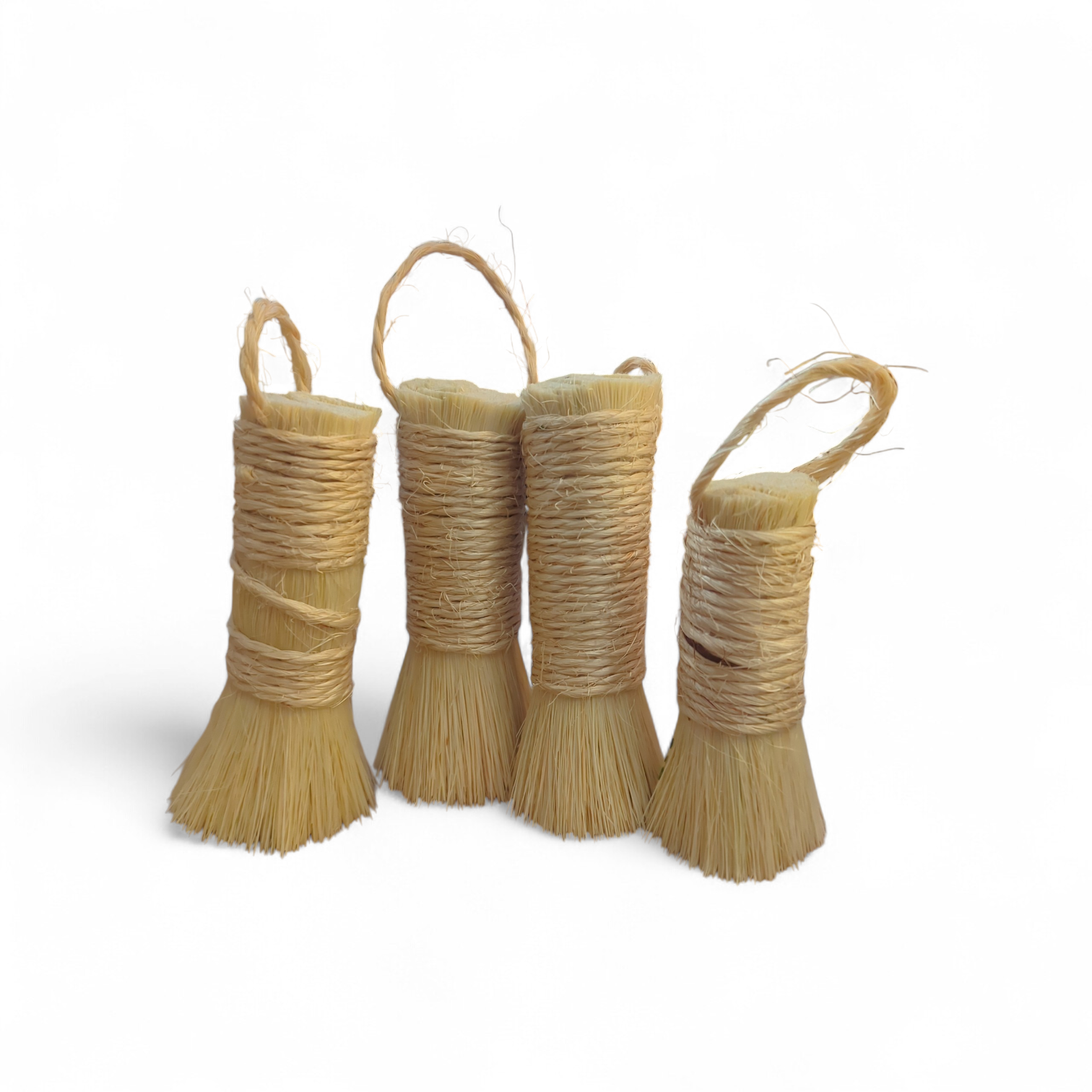
The fibers are gathered and bound with natural cordage rather than nylon or synthetic twine. Choose sisal, hemp or tarred hemp.
The cord also forms the loop used to hang the scrubber between uses.
MADE BY HAND
Each scrubber is shaped and bound individually. Differences in length, texture, shape and binding are part of working with natural fiber by hand—not imperfections to eliminate.
WHY TAMPICO
A plant fiber that knows how to scrub.
-
Tampico has the texture you want in a scrubber: firm enough to work at stuck-on food and everyday grime, with enough flexibility to move around dishes, pans, glassware, hands and nails.
-
A kitchen sponge is something you expect to replace. Tampico is made for longer use. Its firm, resilient fibers hold up through repeated scrubbing, rinsing and drying rather than quickly breaking down or losing their texture.
With proper care, one Tampico Scrubber can last up to 12 months.
-
Natural cordage isn't the easiest material to bind with. It takes more time and care to work with than nylon or synthetic twine—but it keeps plastic out of a tool that's otherwise made entirely from plant fiber.
-
Each scrubber is gathered, shaped and bound by hand. The fibers determine the final form, so differences in size, shape, texture and binding are part of the finished piece.
No two are exactly alike.
For the dishes you wash every day.
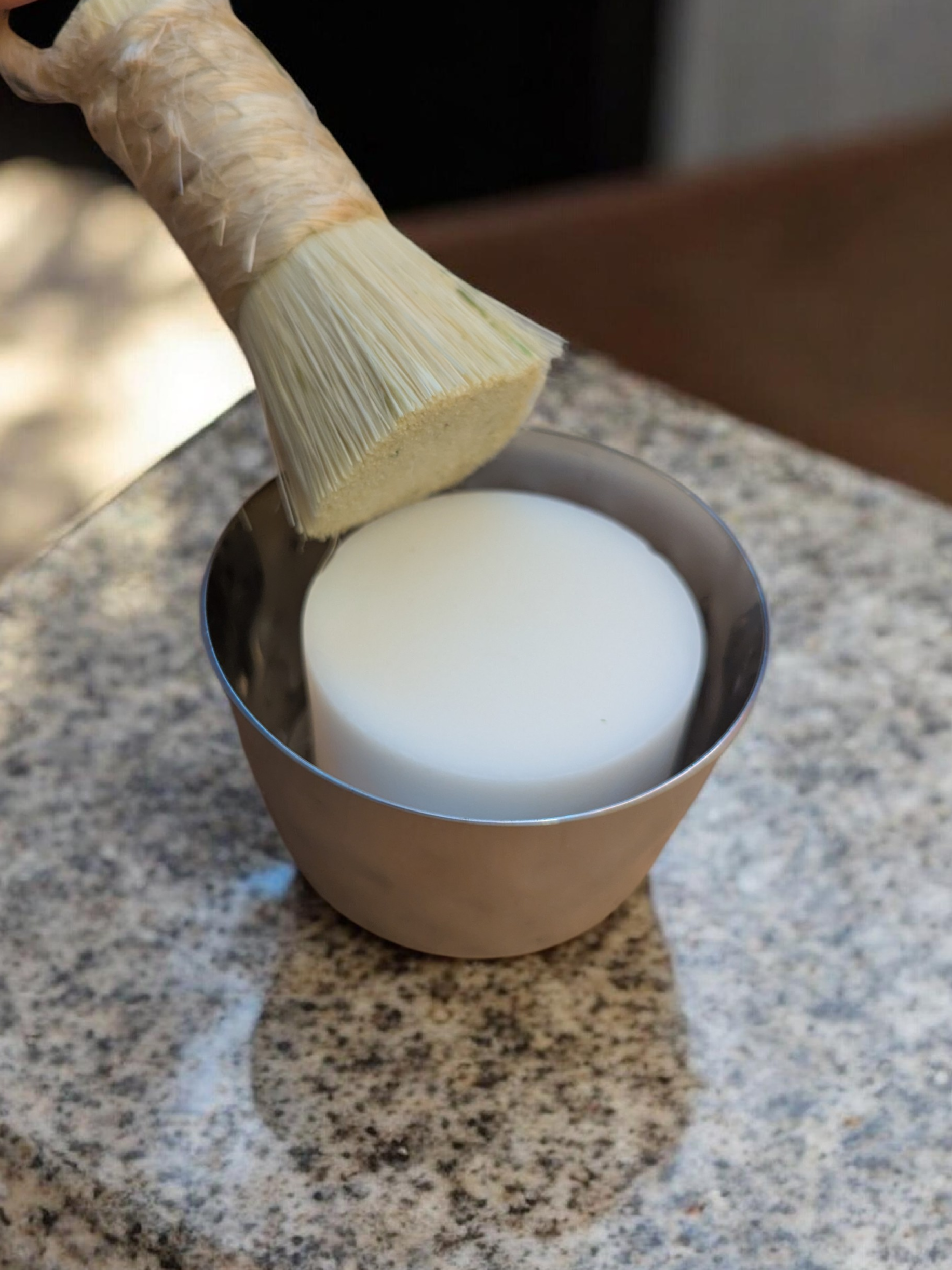
Use it with a bar or liquid dish soap for plates, bowls, glassware, pots and pans. The compact bundle fits comfortably in your hand and gives you direct control over how much pressure you use.
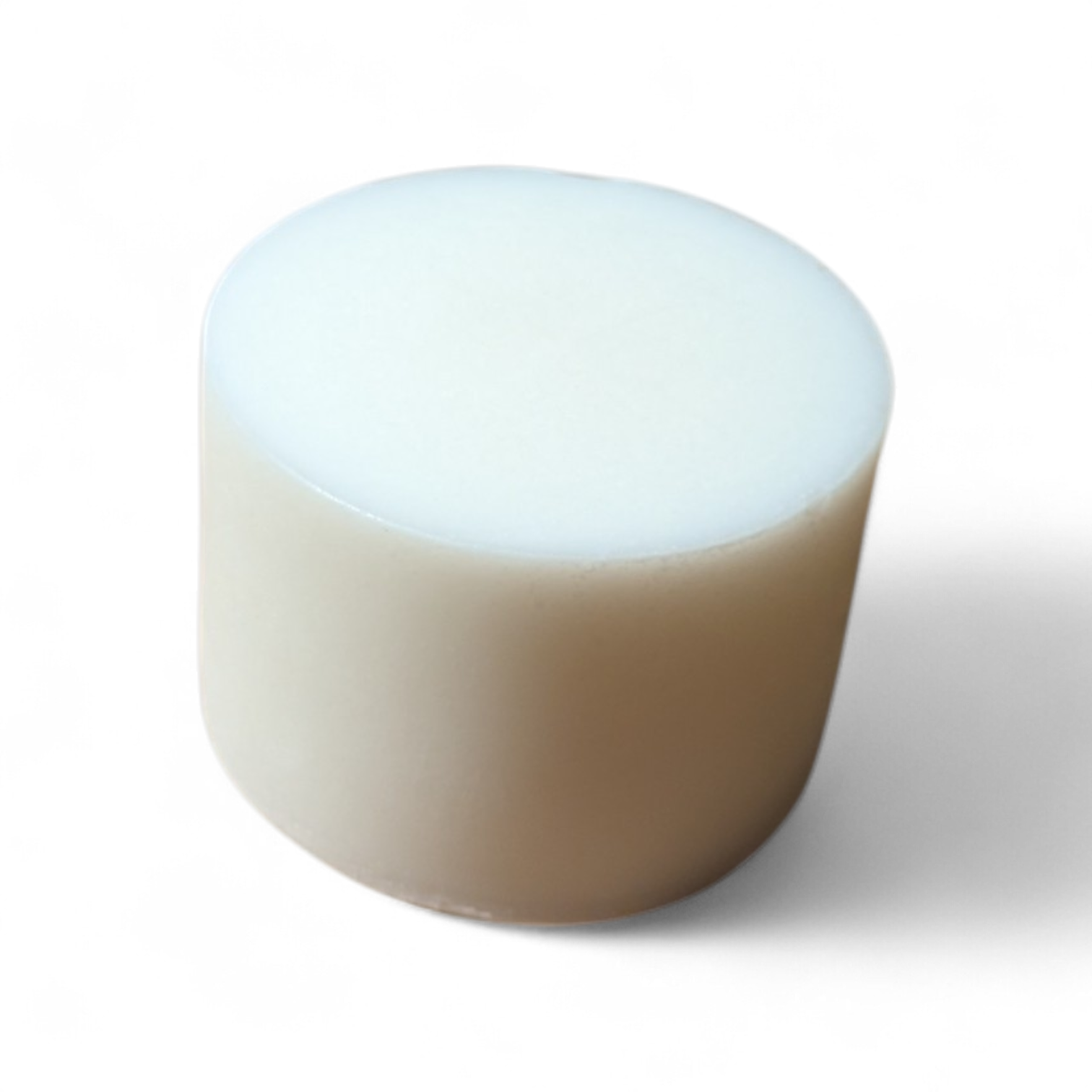
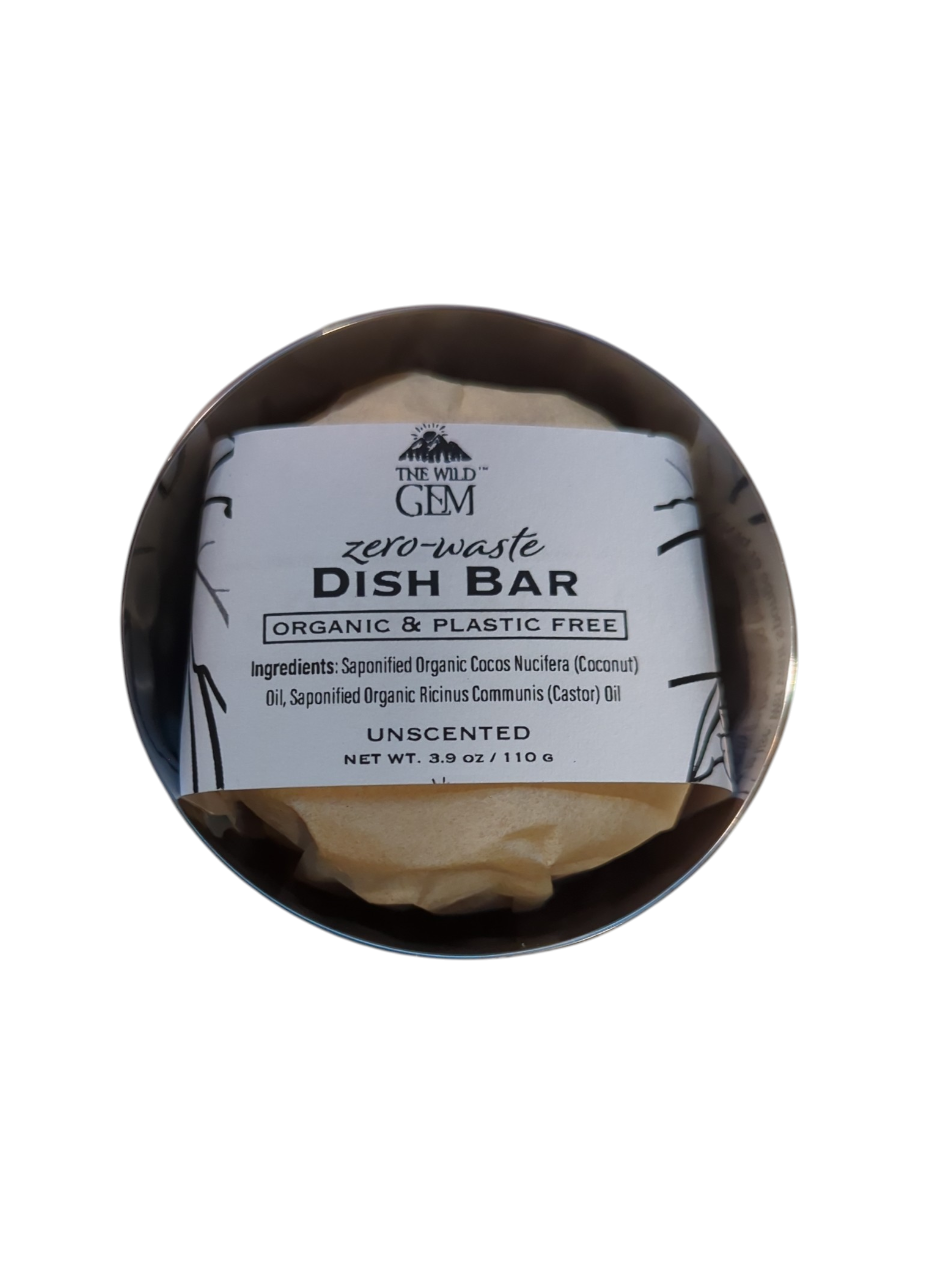
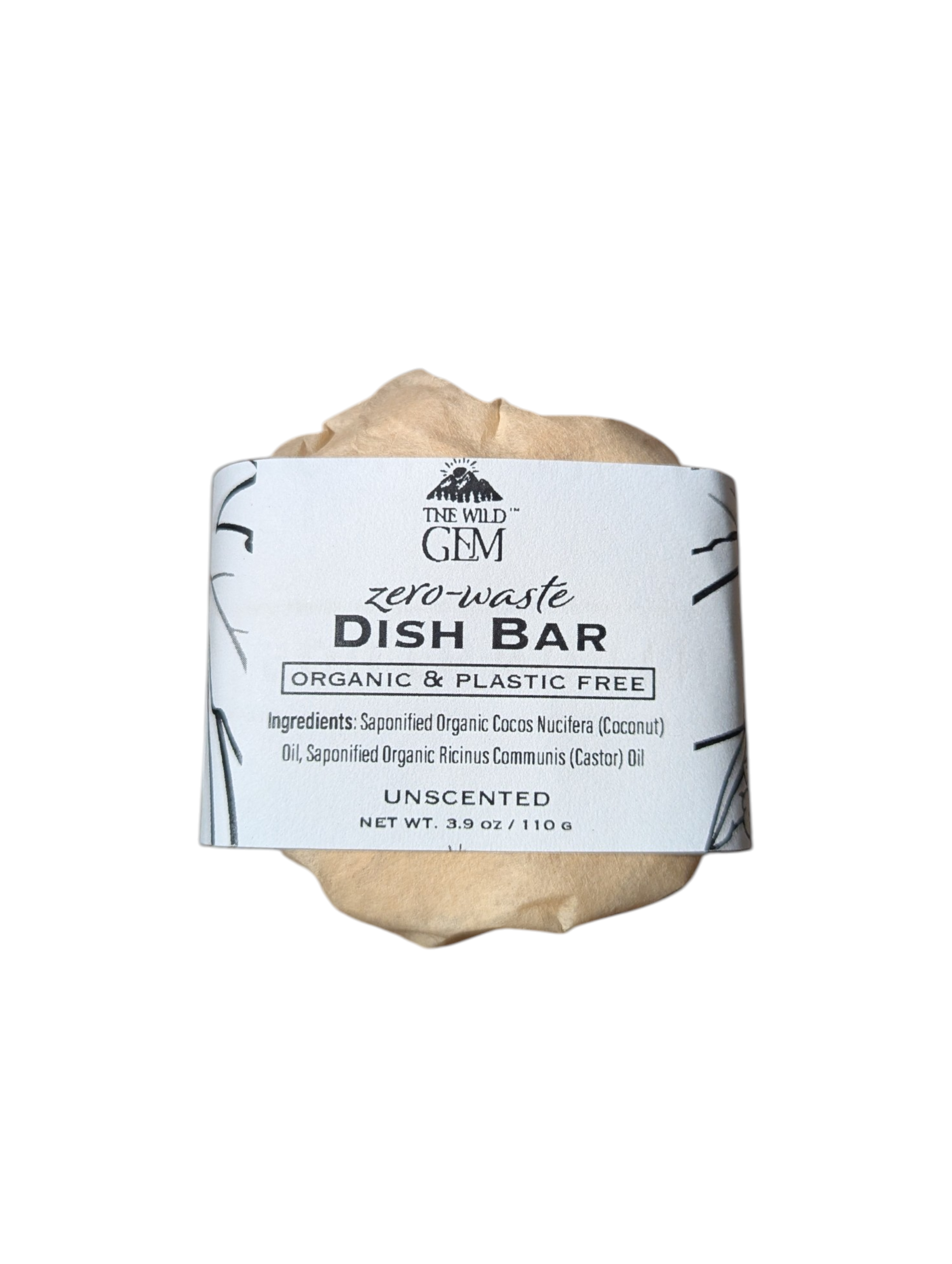
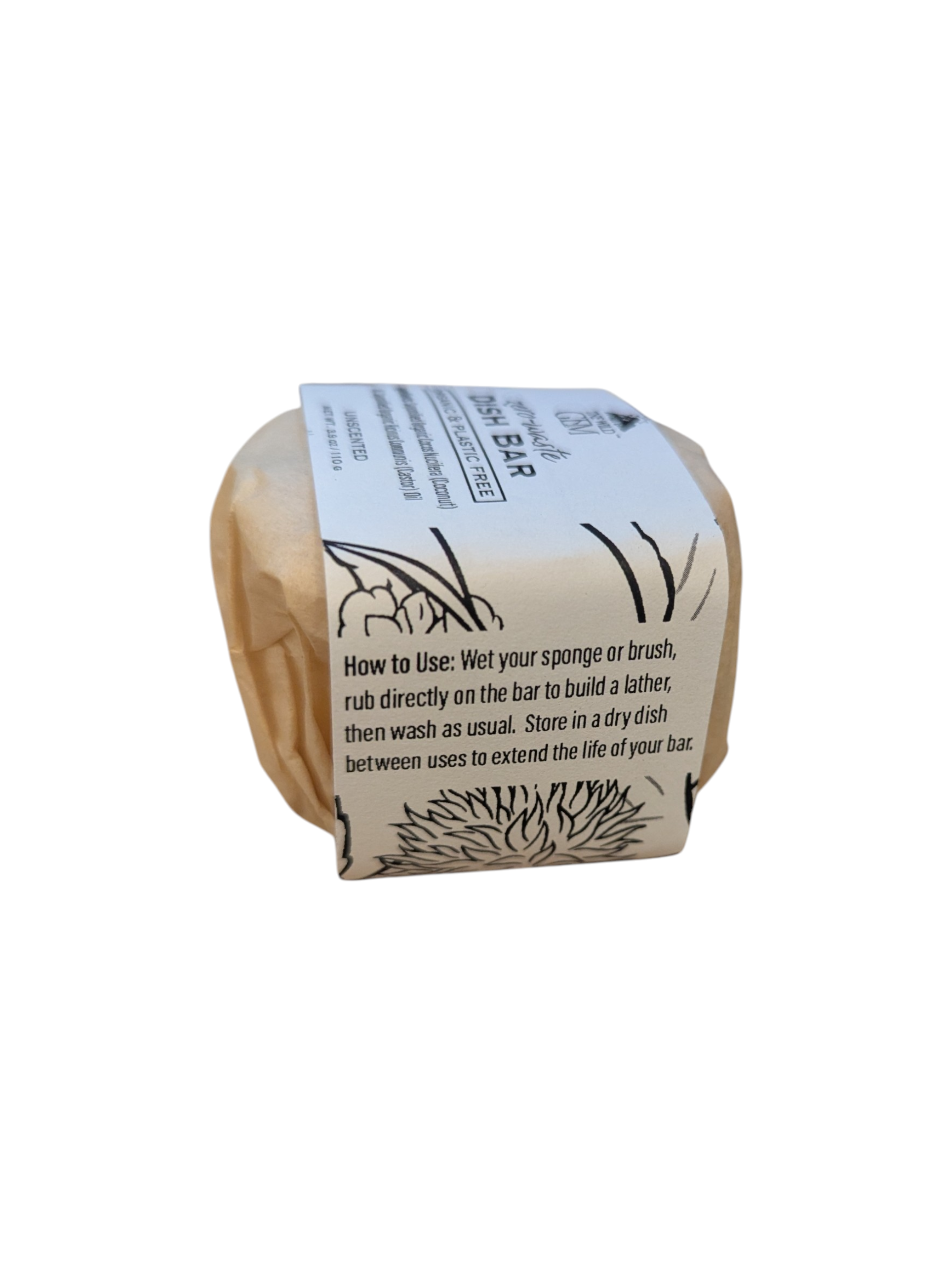
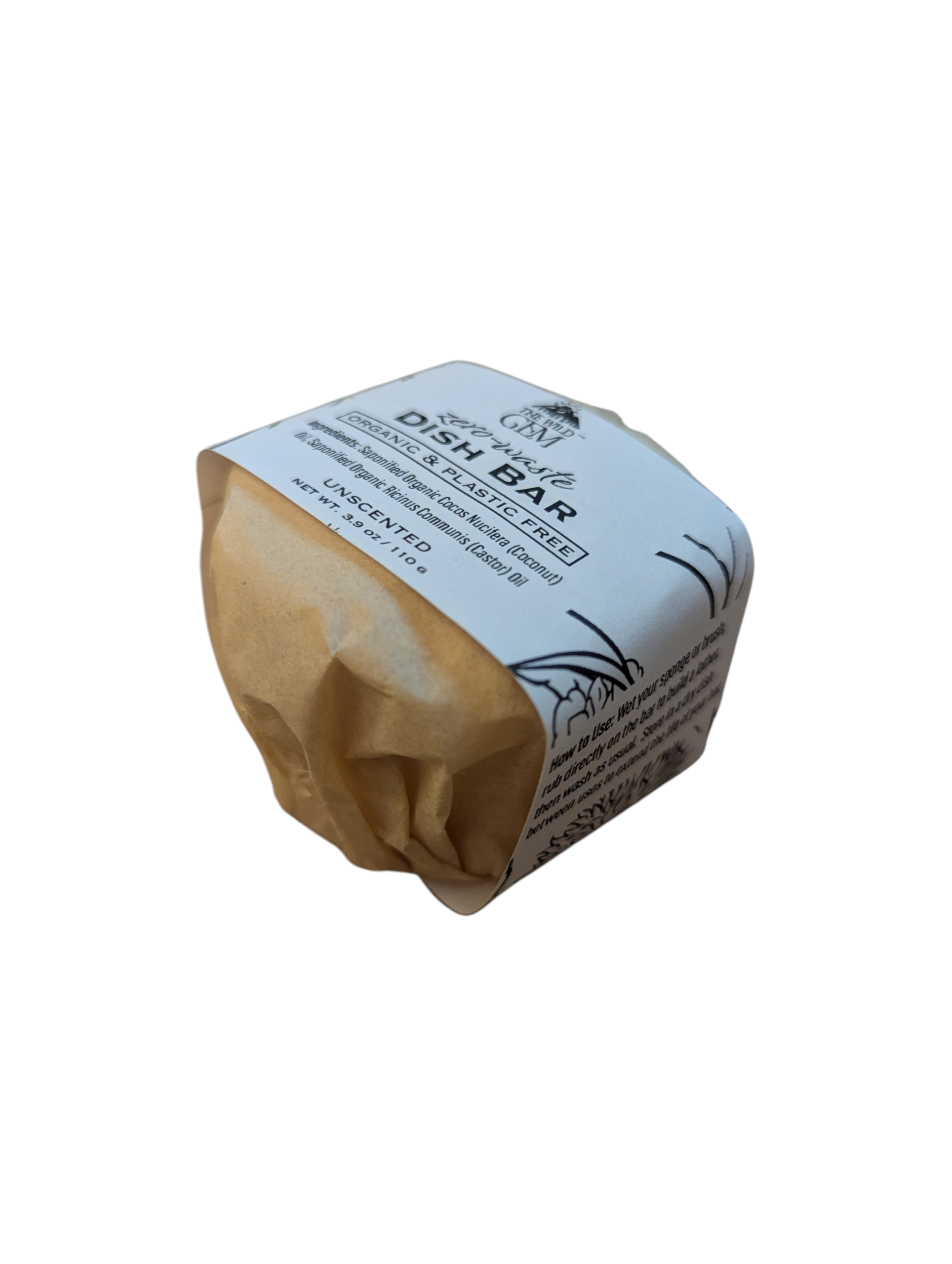
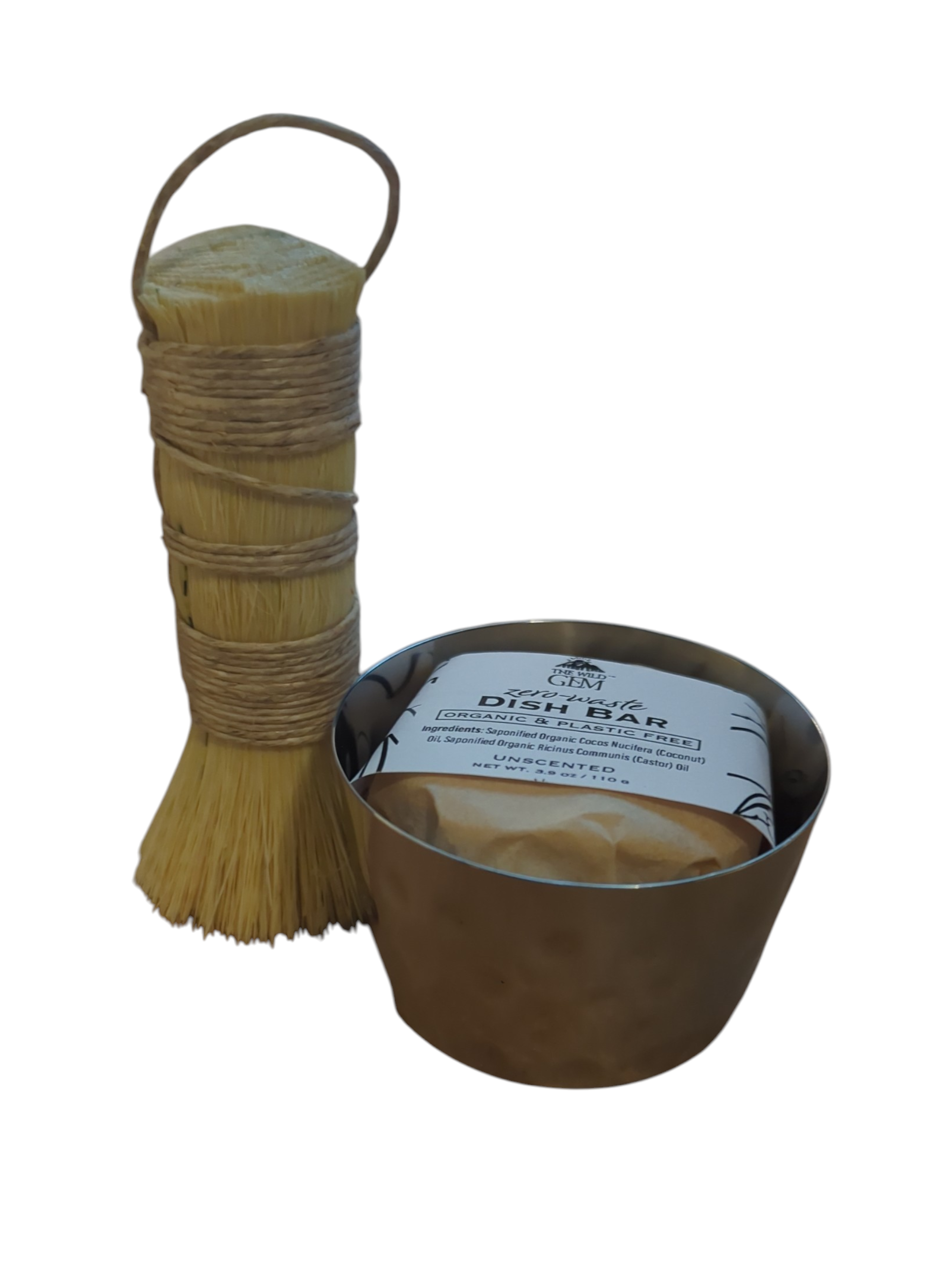
Pair it with The Wild Gem Dish Bar for a plastic-free dishwashing setup, or use it with the soap already beside your sink.
HOW TO USE
More than one way to scrub.
EVERYDAY WASHING
Wet the scrubber and use alone or with your preferred soap or cleaner. Use the Tampico fibers for everyday washing and scrubbing.
STUCK-ON FOOD
For stubborn spots, turn the scrubber over and use the firm, bound top to concentrate pressure where you need it.
VEGETABLES
Use with water to scrub away dirt and debris from firm vegetables.
HANDS + NAILS
Wet the scrubber and use with soap as desired to clean working hands and around fingernails.
AFTER USE
Rinse thoroughly, shake out excess water and leave somewhere it can dry completely between uses. Hang it or stand it upright—whatever gives the fibers good airflow.
TO REFRESH: If your scrubber develops odor or buildup, soak the fiber portion in white vinegar, rinse thoroughly and allow it to dry completely.
TIP: Tampico is a naturally firm fiber. Test first on delicate, coated or easily scratched surfaces.