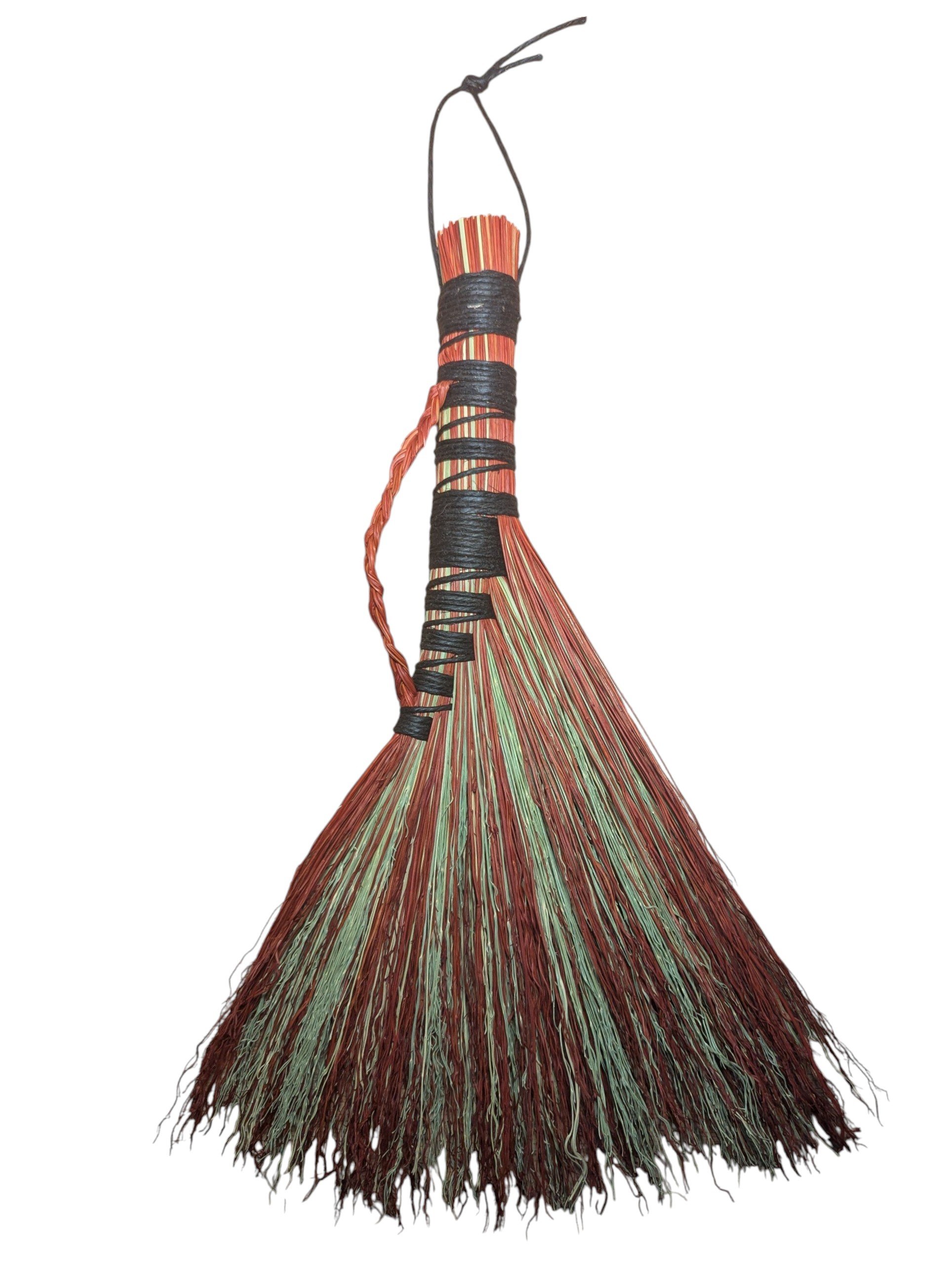
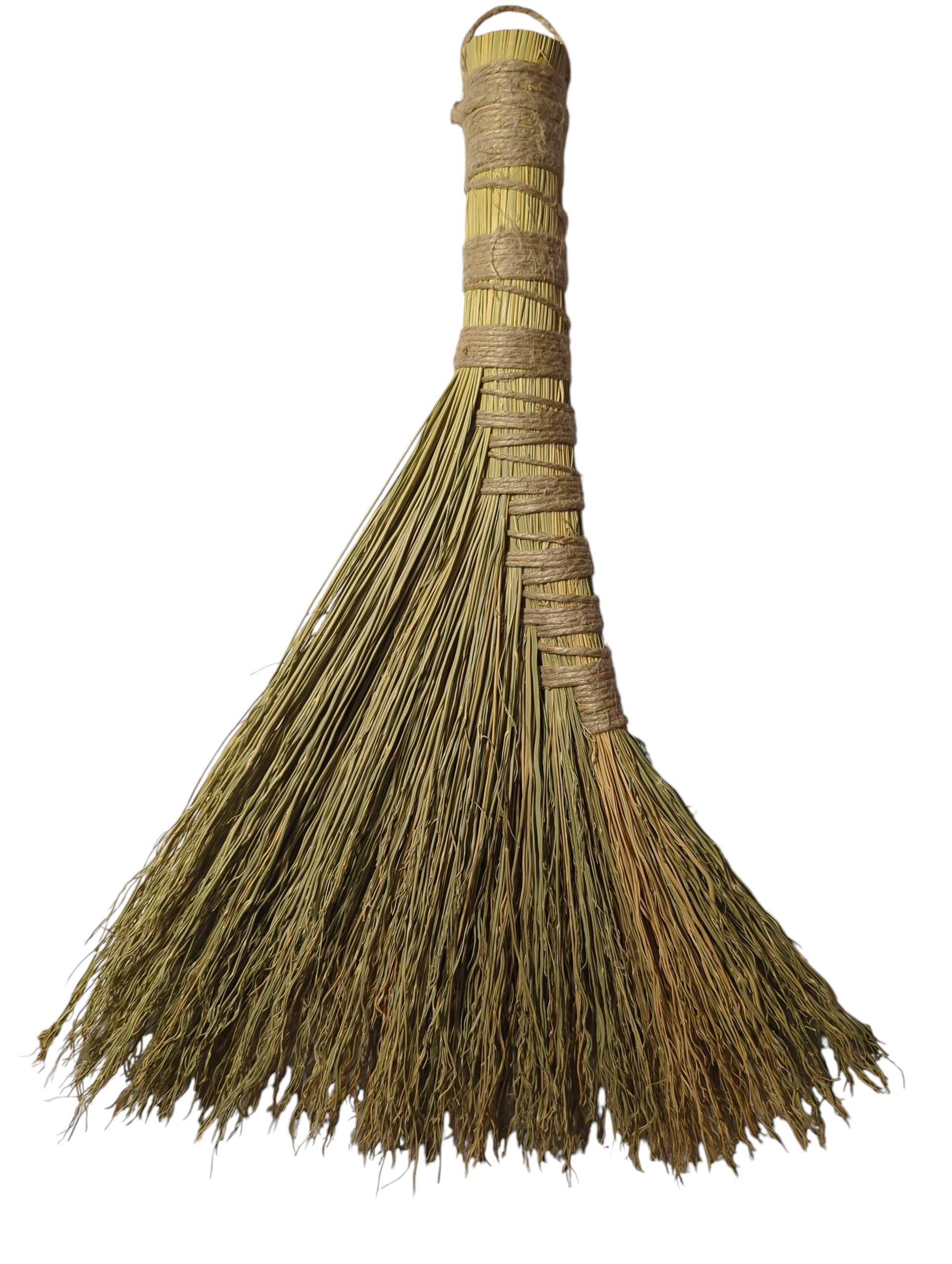
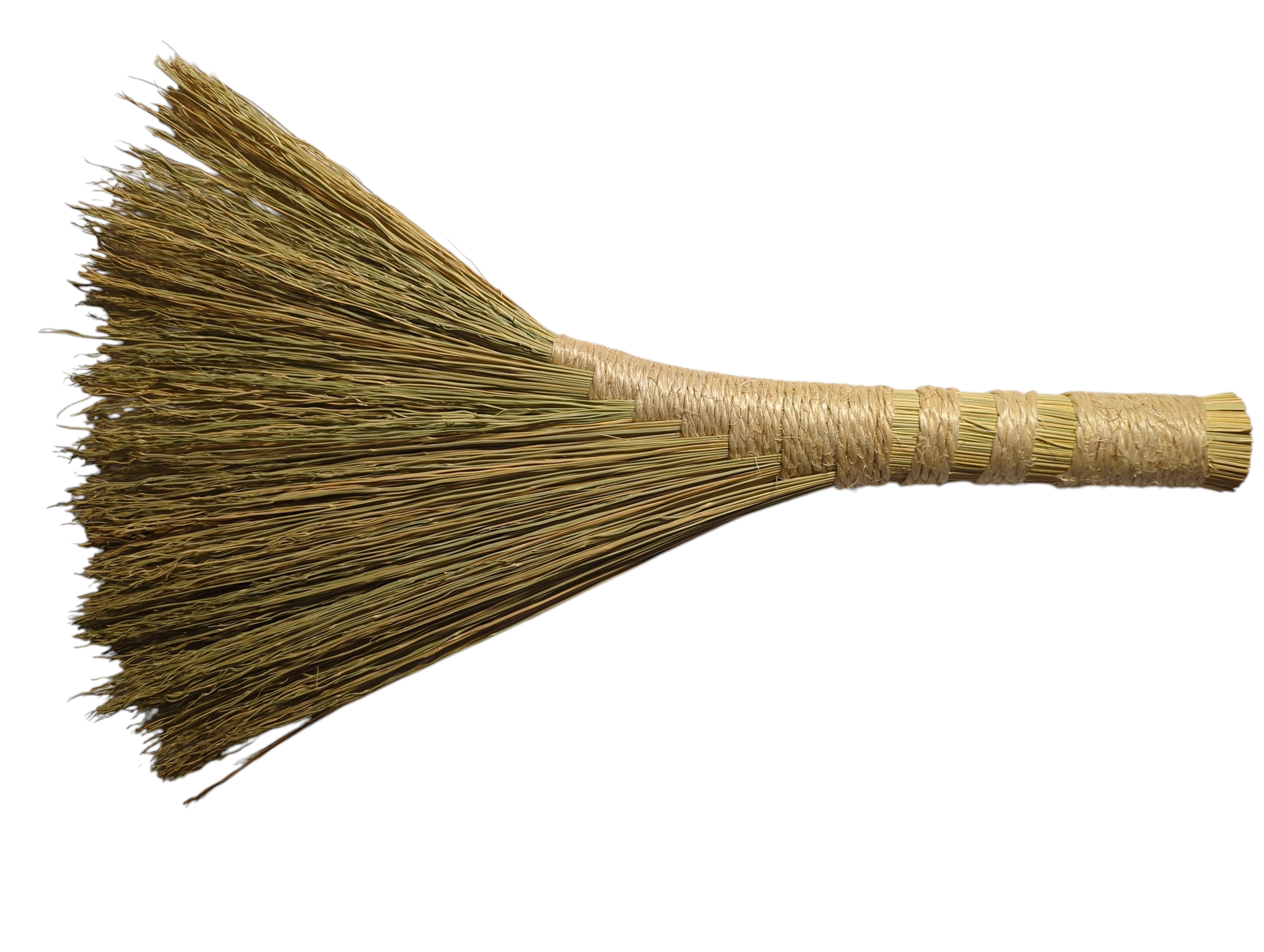
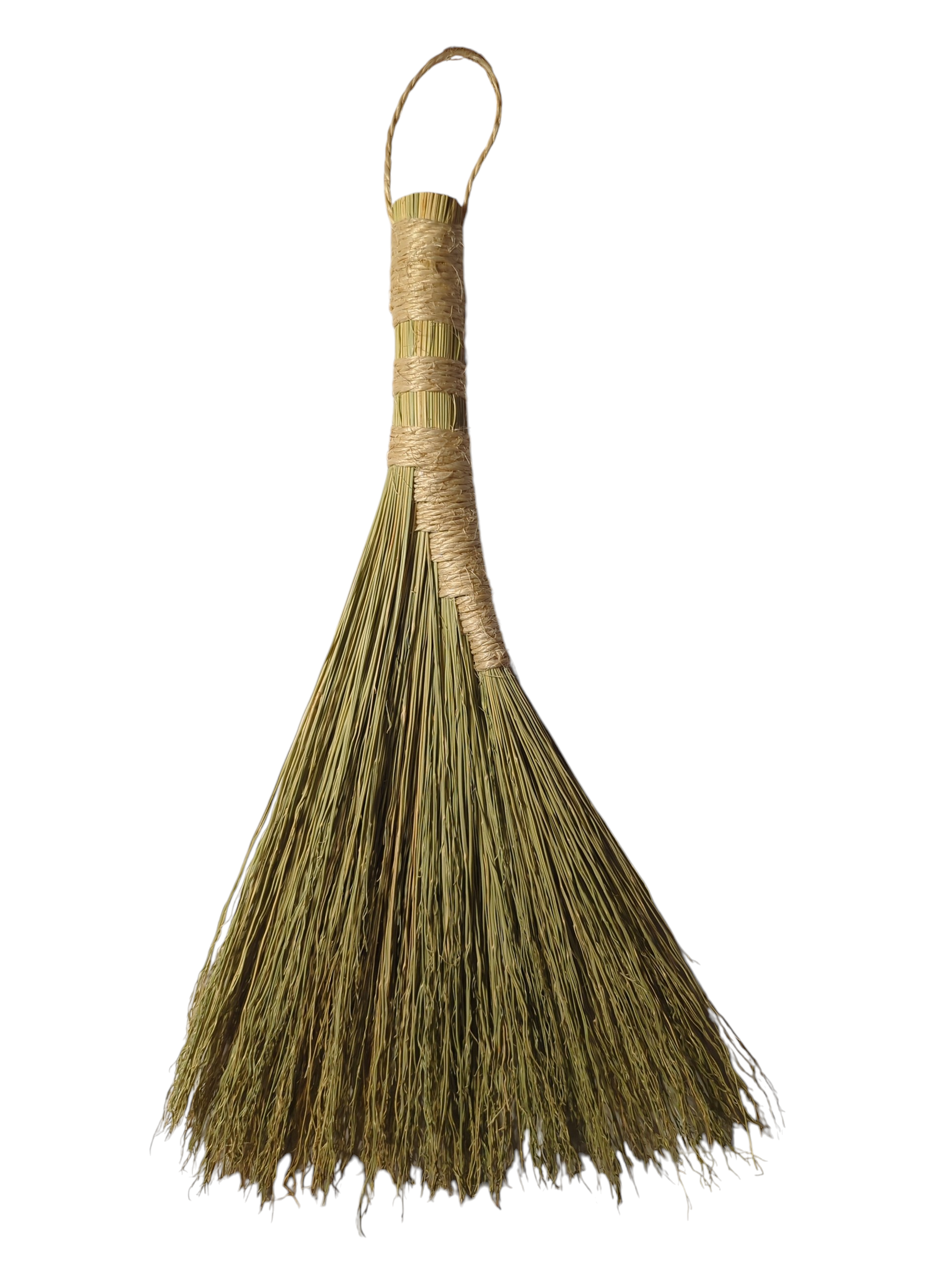
 Image 1 of 9
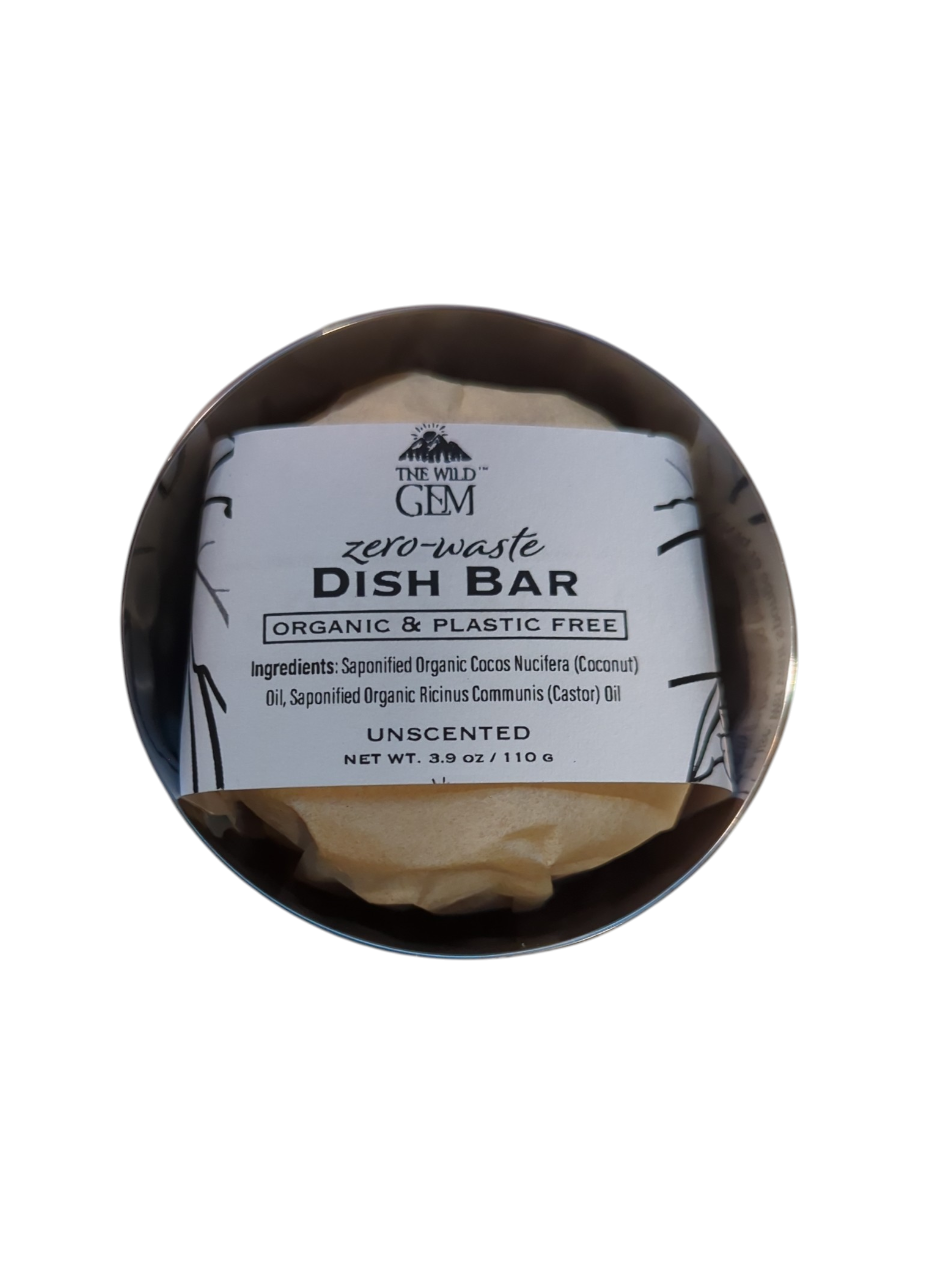 Image 2 of 9
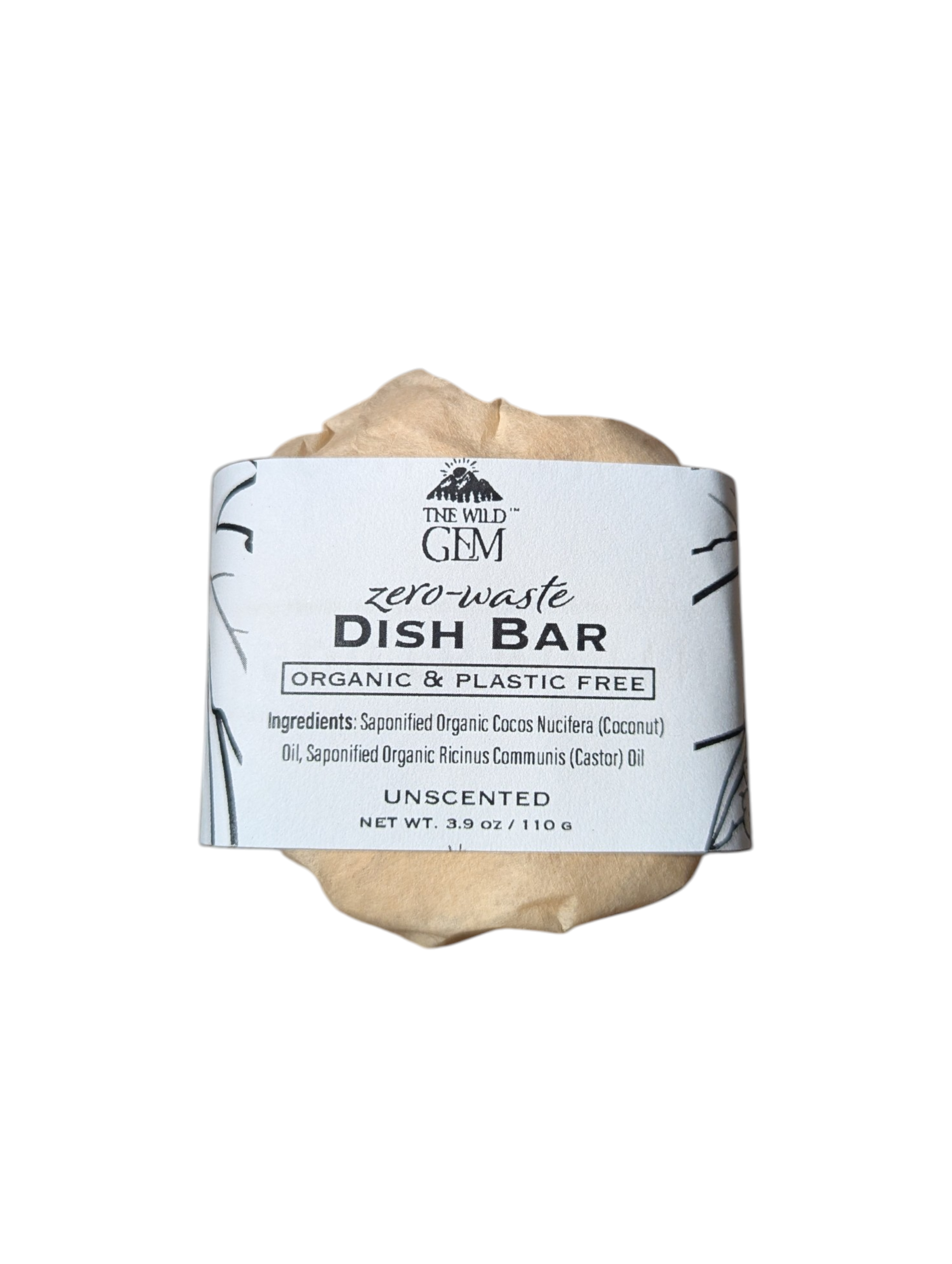 Image 3 of 9
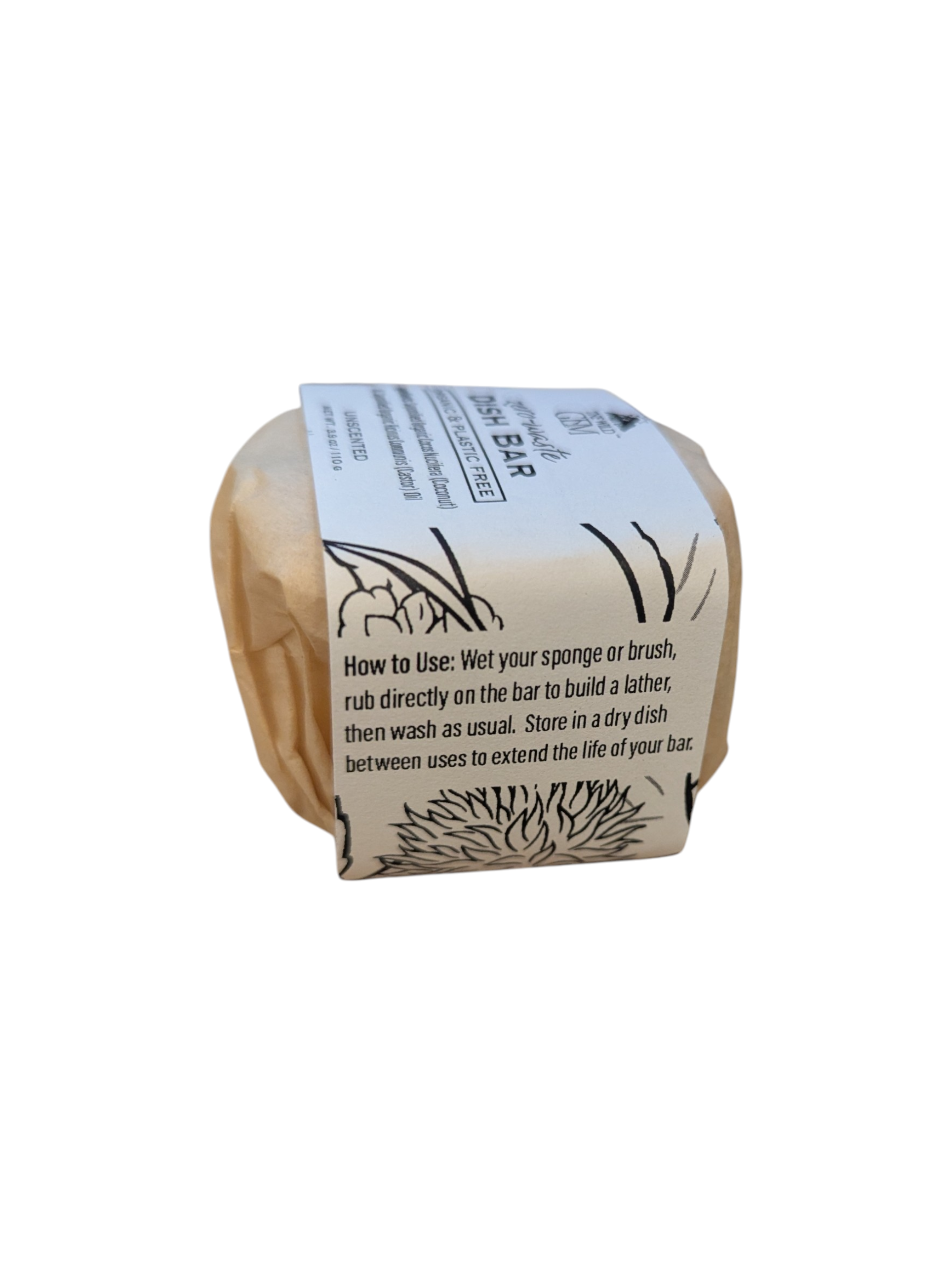 Image 4 of 9
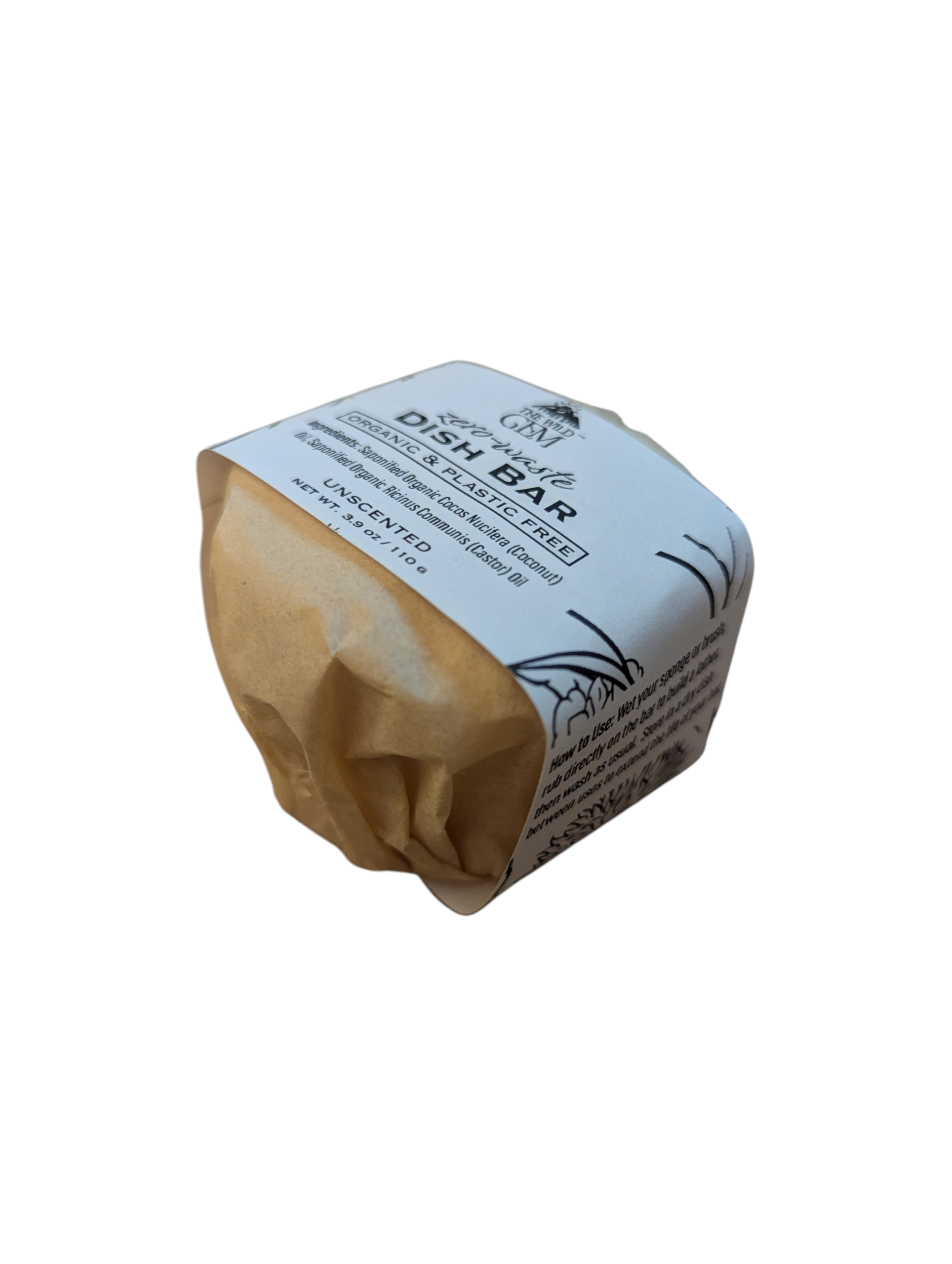 Image 5 of 9
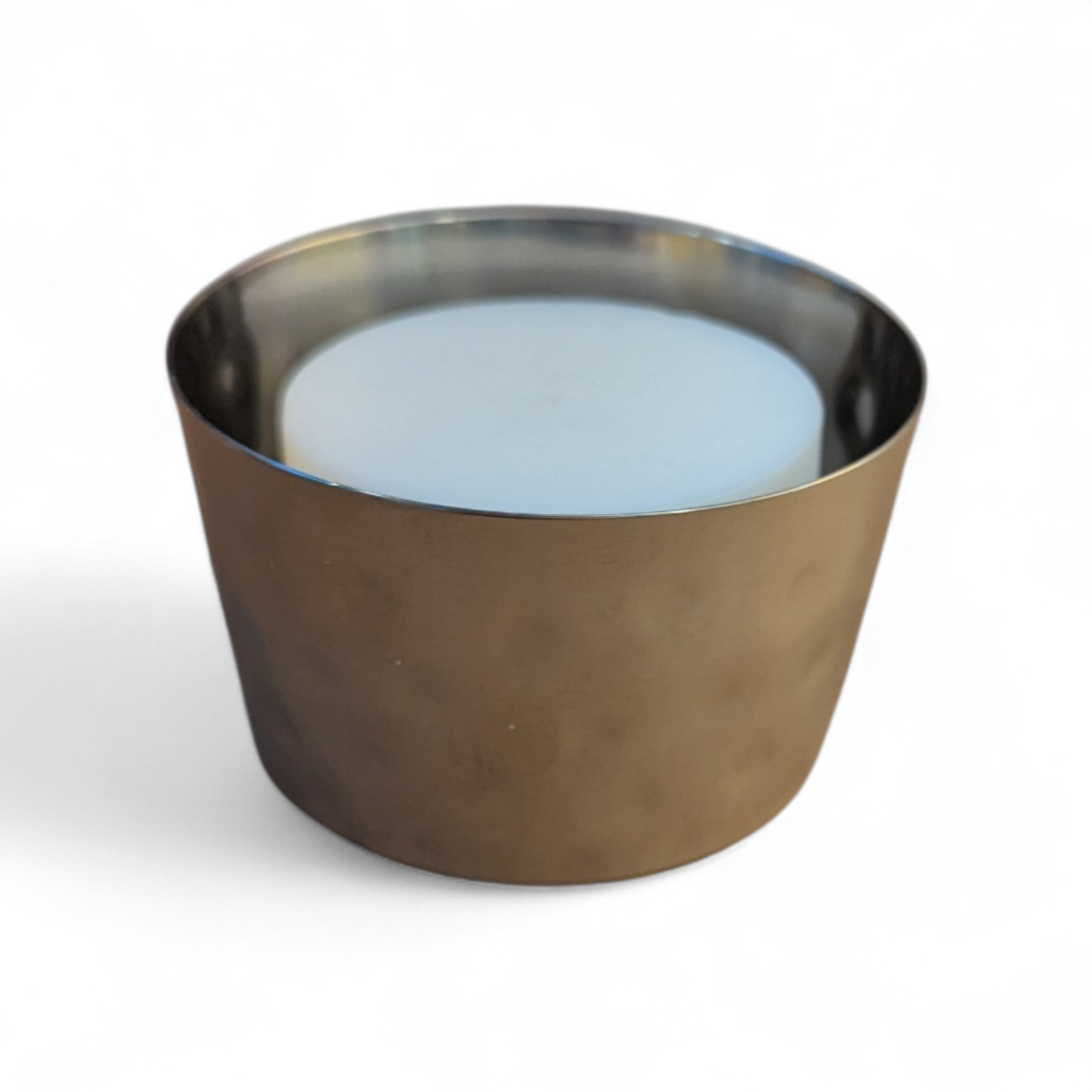 Image 6 of 9
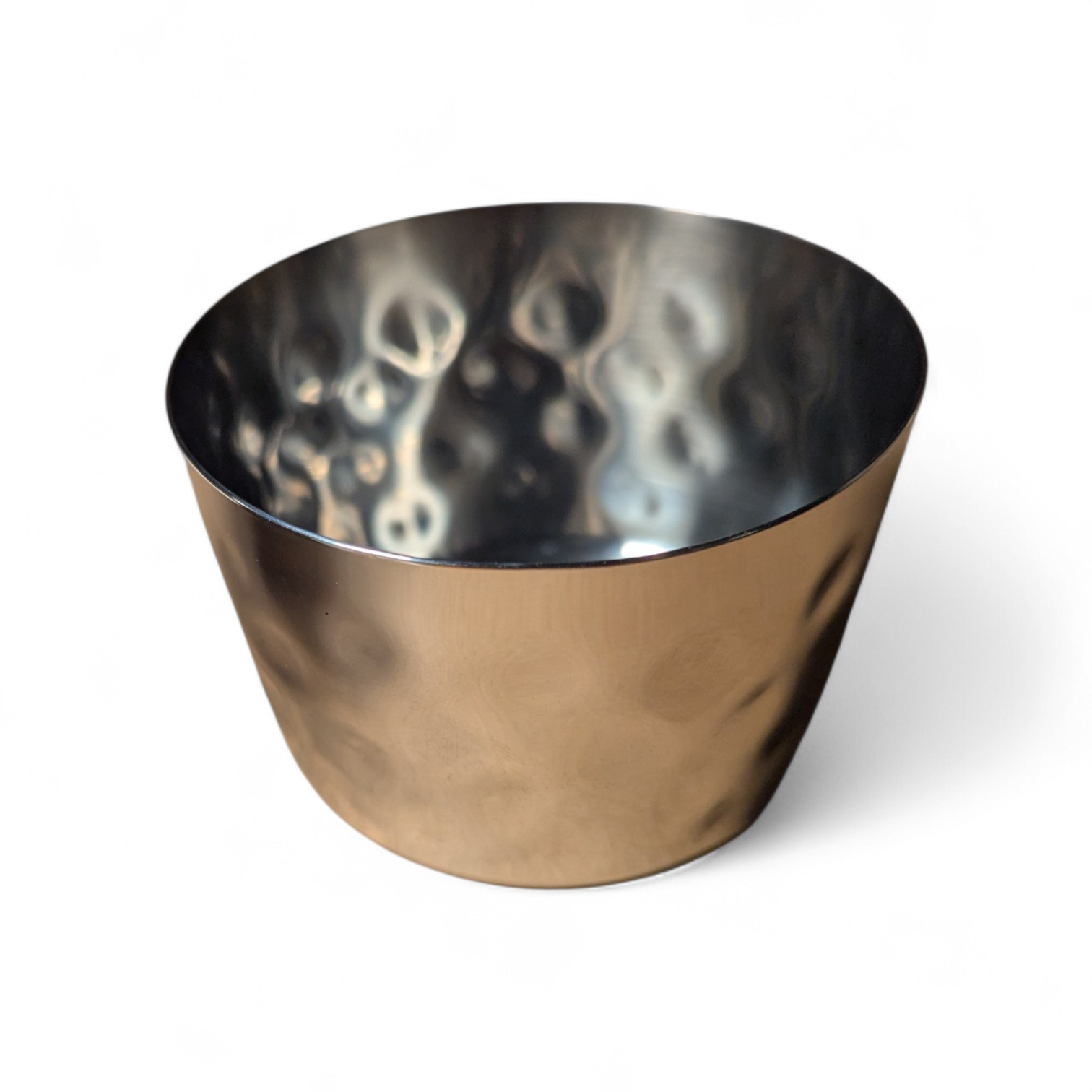 Image 7 of 9
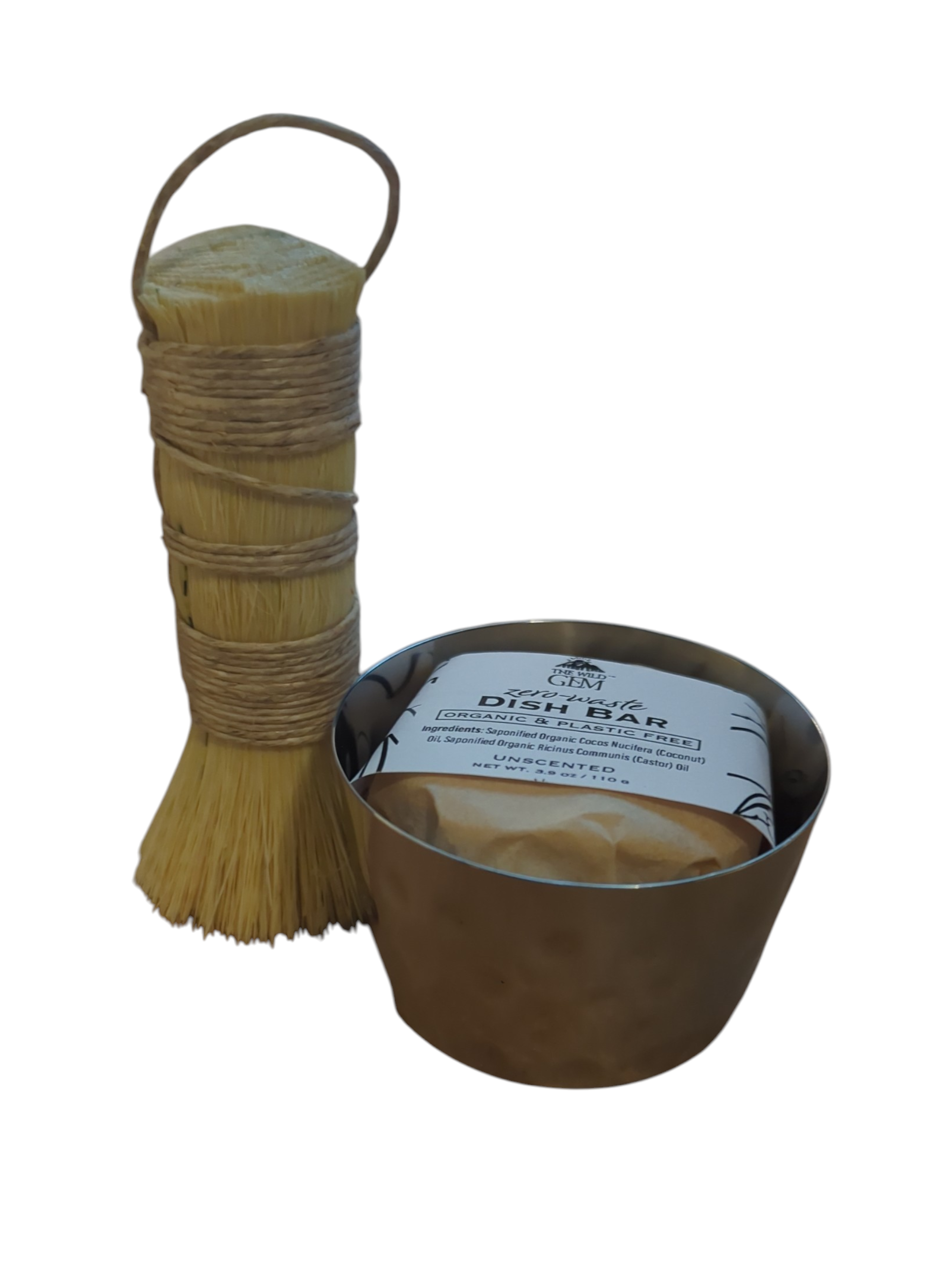 Image 8 of 9
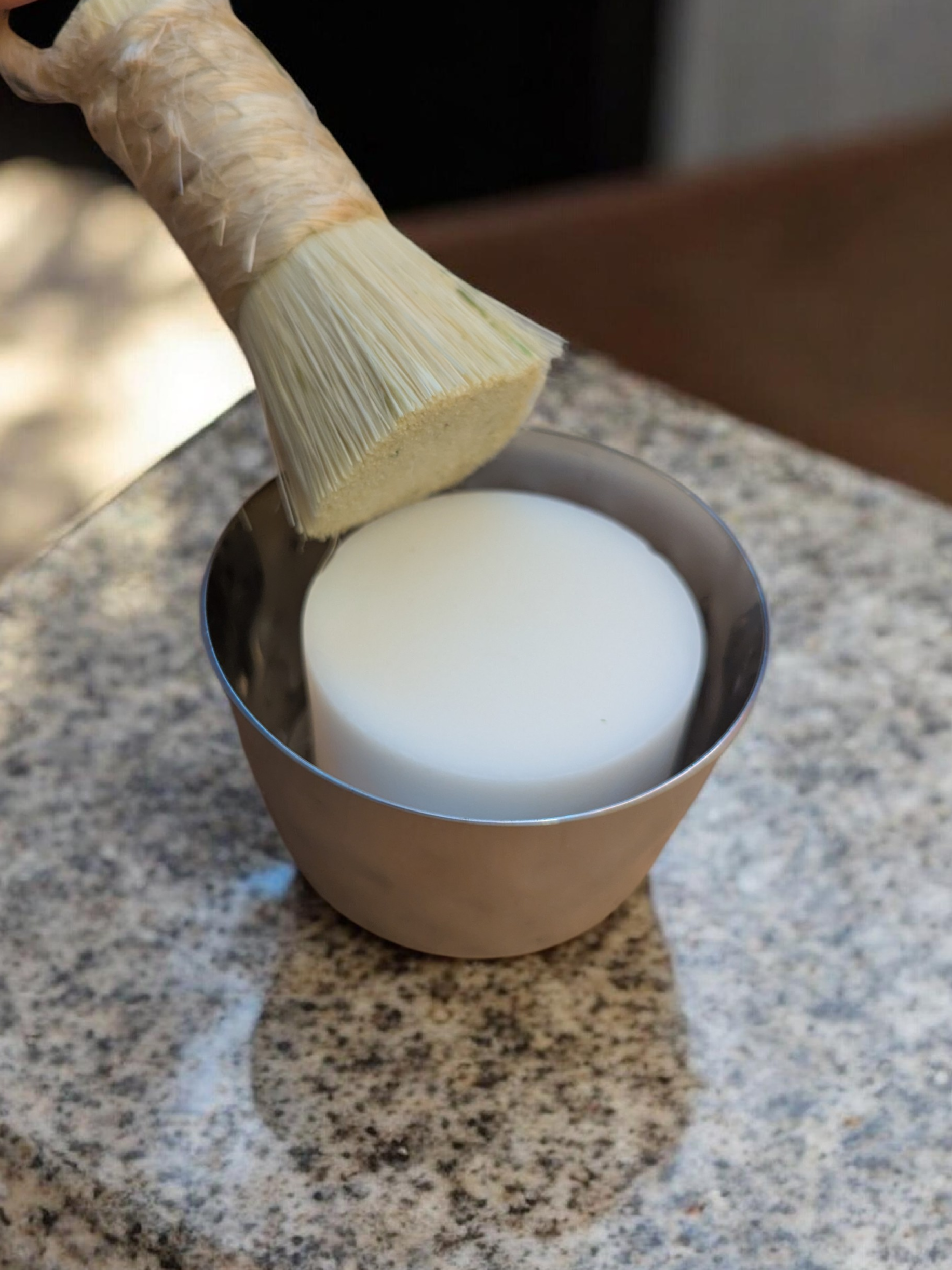 Image 9 of 9
Concentrated by design. Just add water.
-
Organic Coconut Oil, Organic Castor Oil, Sodium Hydroxide (Lye), Citric Acid
-
SIZE
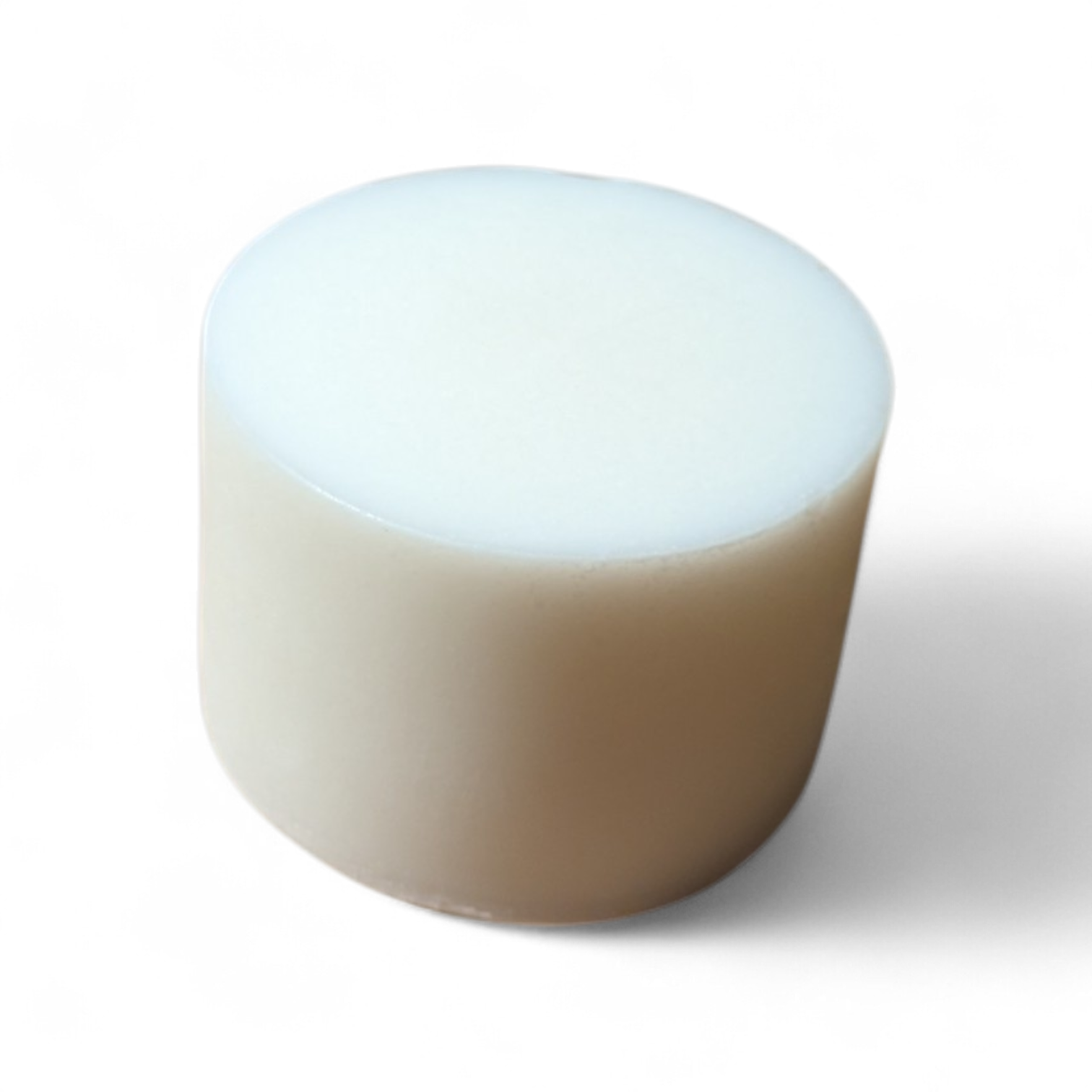
2.4 in diameter × 1.8 in tall3.9 OZ / 110 G
SCENT
Unscented · No Essential Oils or Added FragranceBEST FOR
Dishes · Pots + Pans · Sinks · Stovetops · CountersLONGEVITY
Approx. 3 Months with Daily UseFORMAT
Concentrated Solid Dish SoapAVAILABLE AS
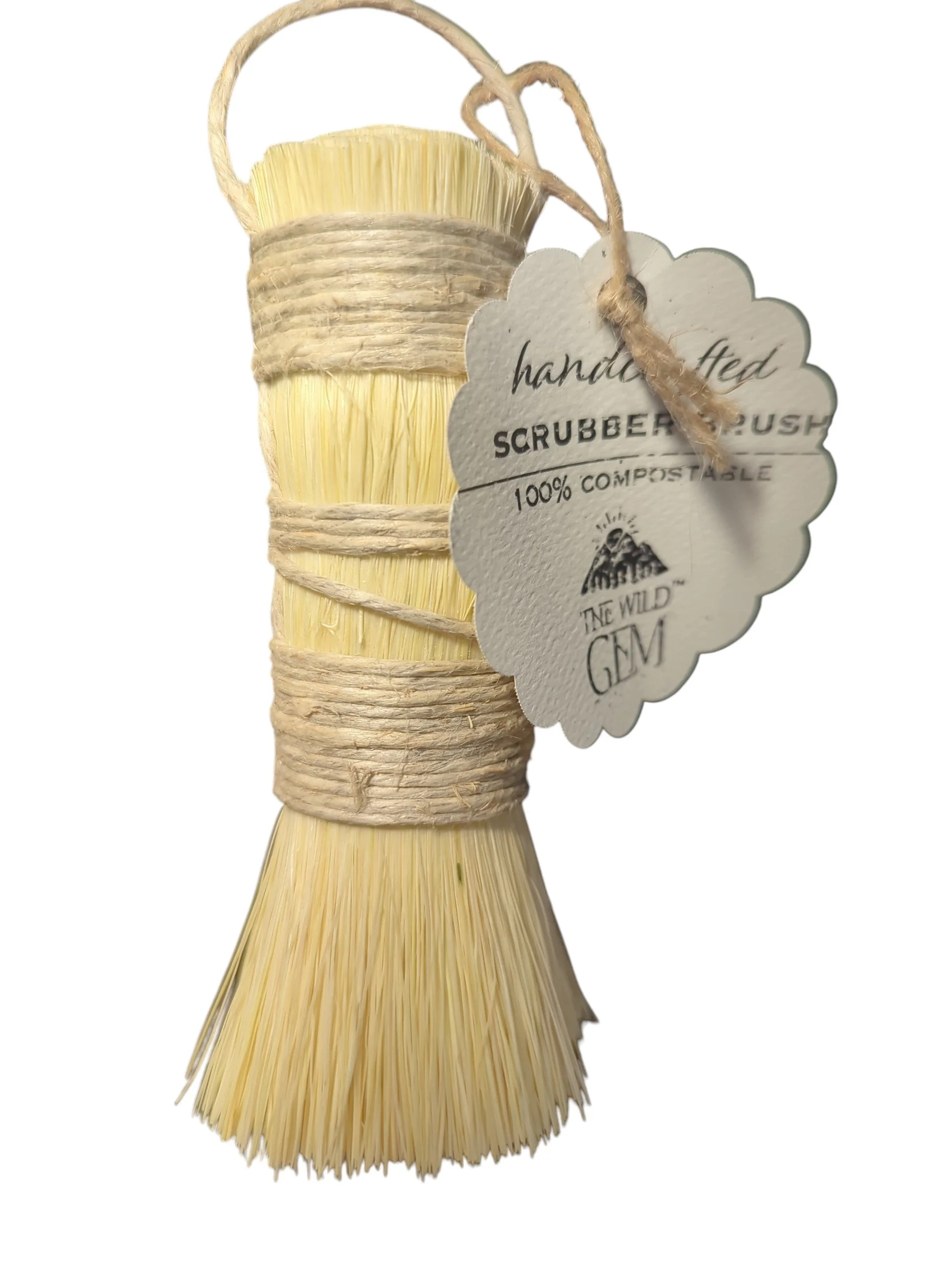
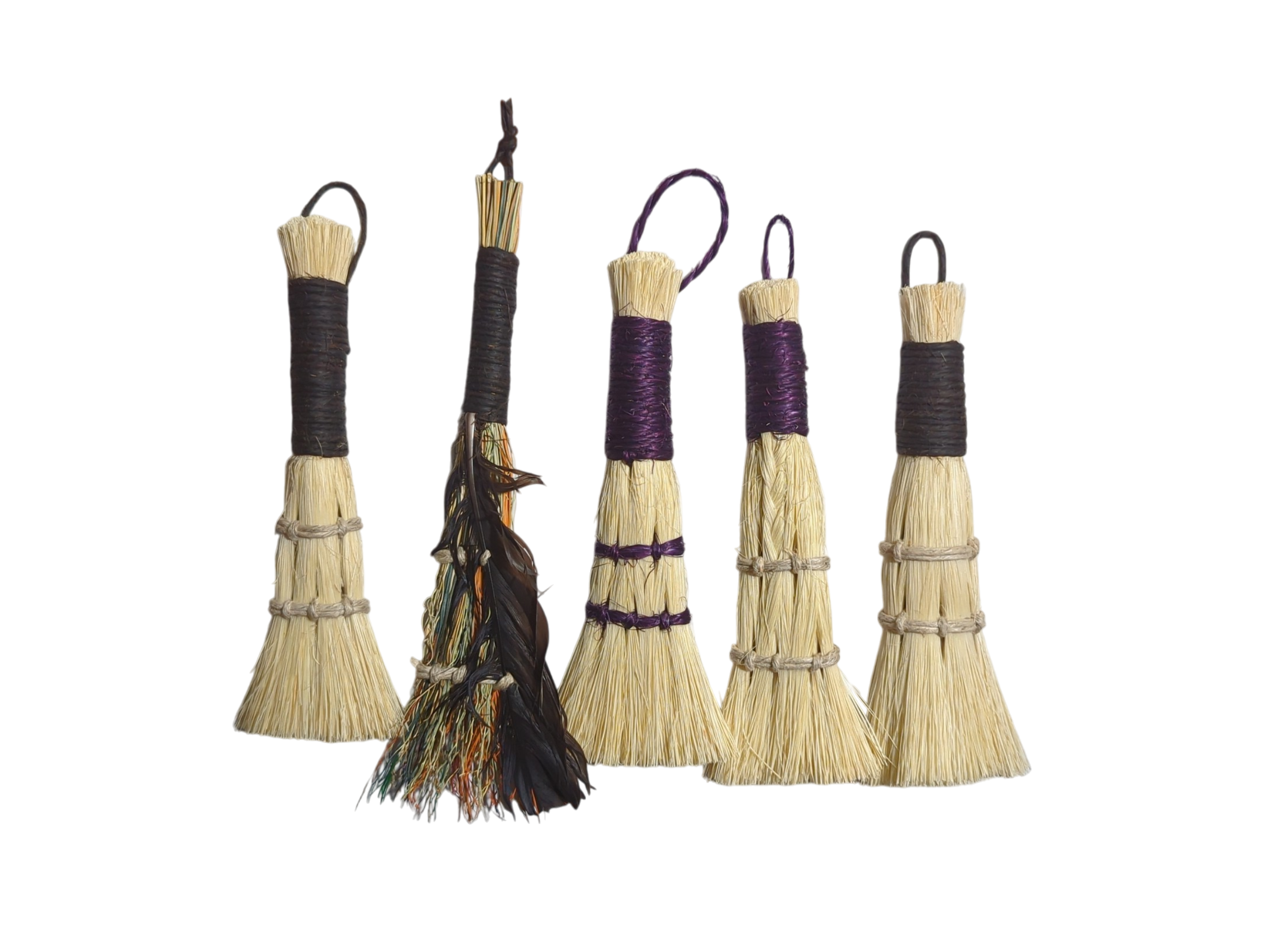
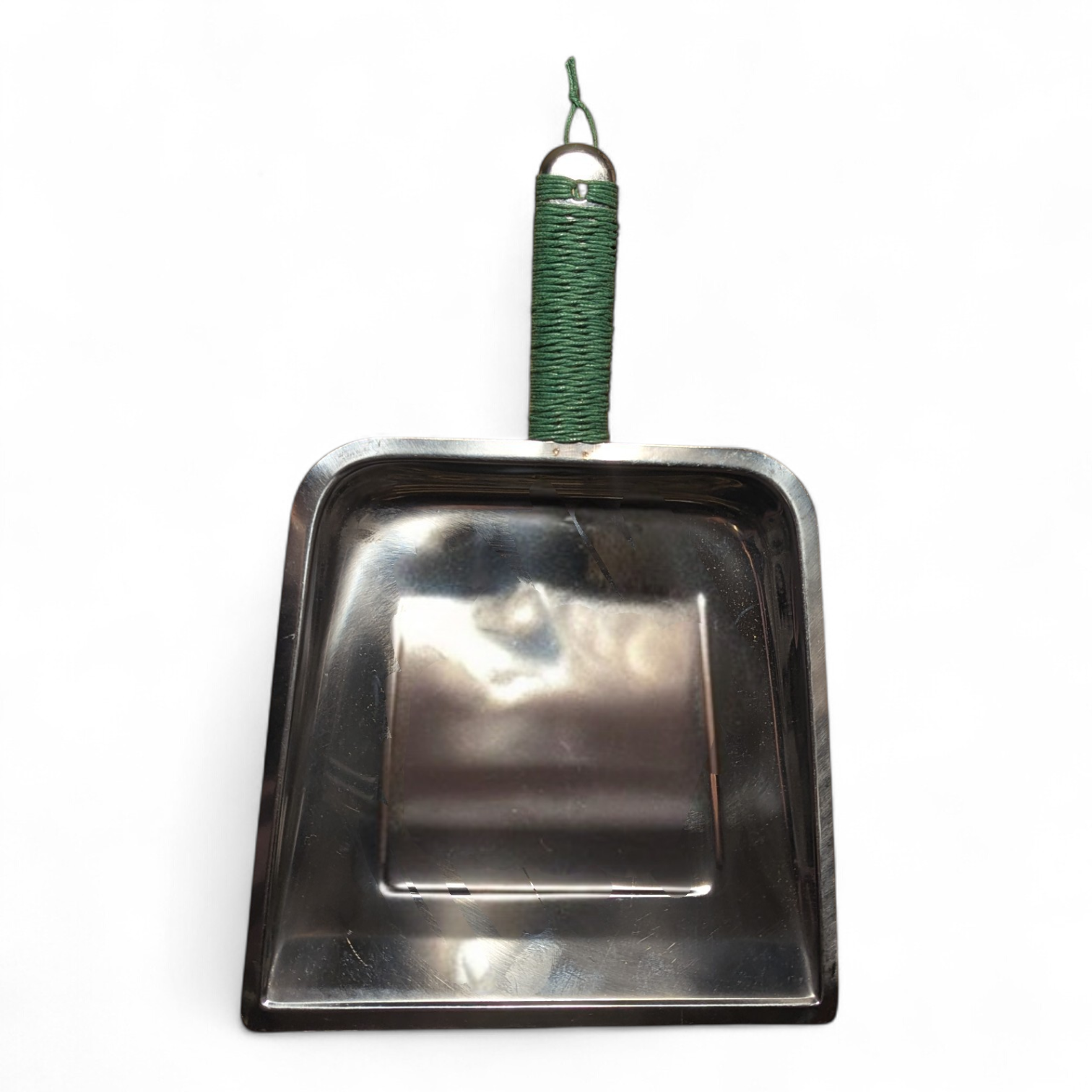
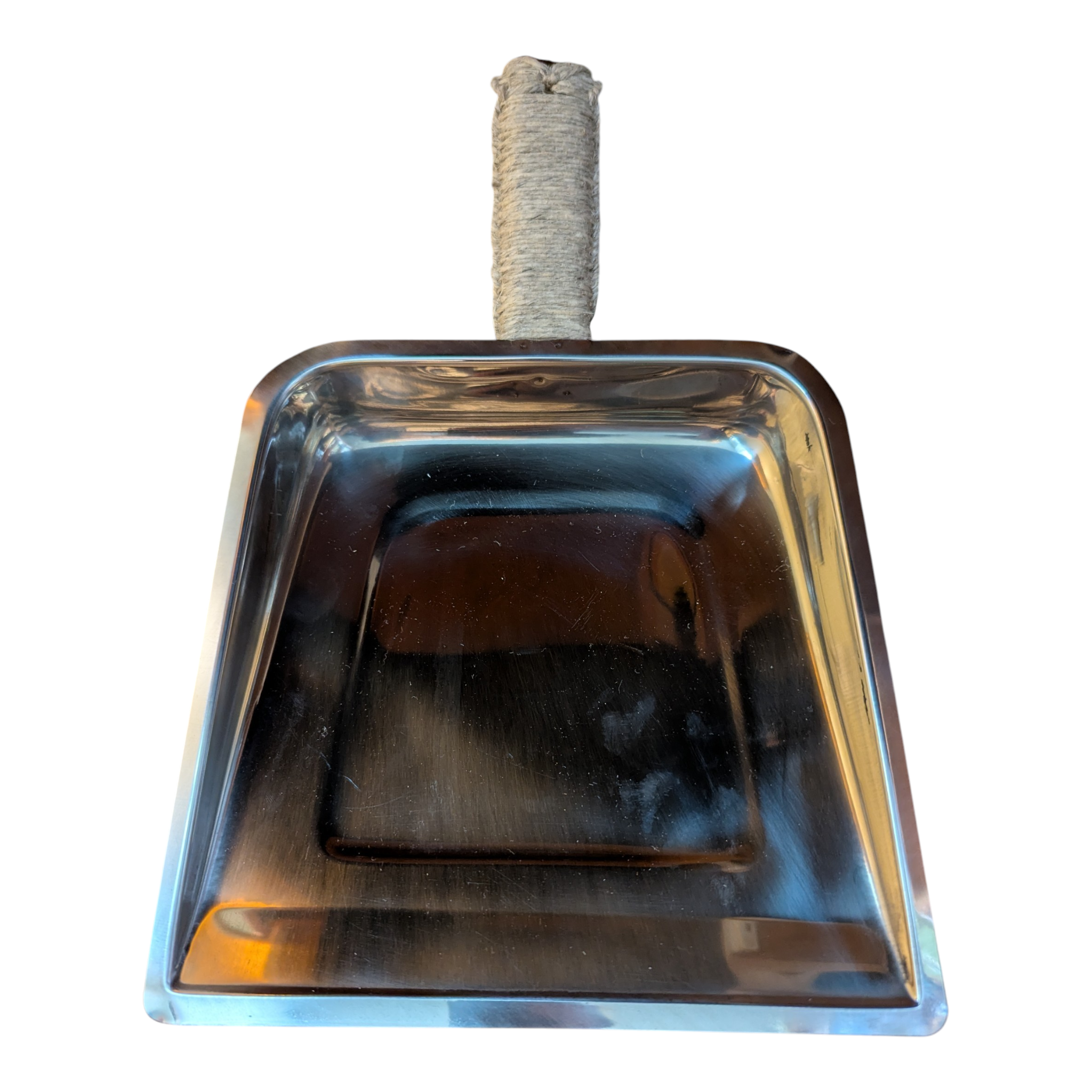
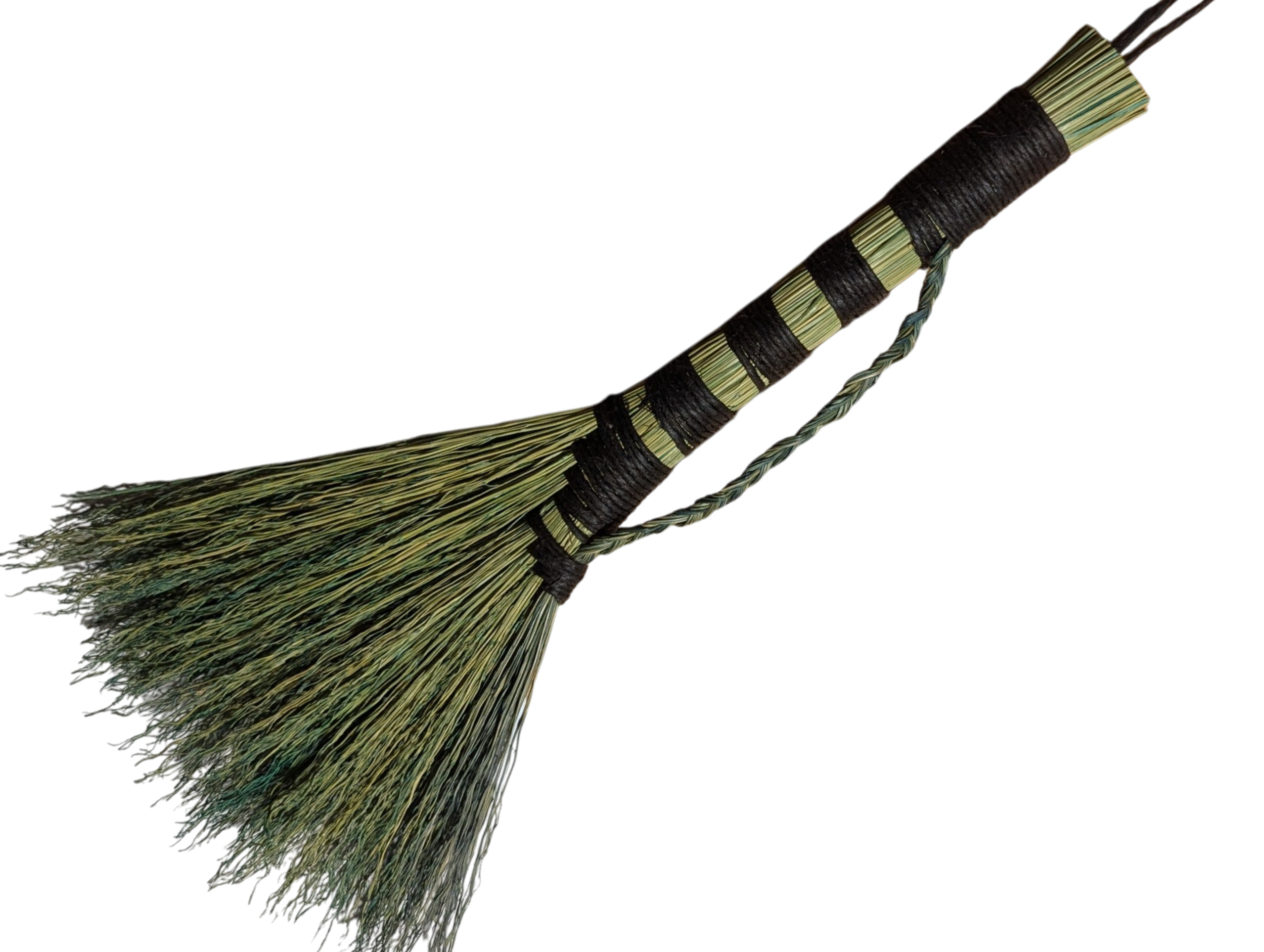
Dish Bar · Dish Bar + Stainless Steel Bowl · Dish Bar + Bowl + Tampico ScrubberPAIR WITH
Tampico ScrubberCARE
Keep out of standing water and allow the bar to dry between uses.
Soap. Water. That's enough.
THE EXPERIENCE
WET
LATHER
SCRUB
RINSE
A solid bar of soap beside the sink. Warm water.
Work a wet scrubber across the Dish Bar and the fibers pick up a rich, creamy lather. Wash what's in the sink, then keep going if you need to—the same bar works for pots, counters, stovetops, sinks and other washable kitchen surfaces.
There is something satisfying about cleaning with materials you can recognize.
Four ingredients.
Each one has a job.
WHAT’S INSIDE
COCONUT OIL
The cleaning powerhouse.
When transformed into soap, coconut oil creates a hard, highly cleansing bar with generous lather to help cut through grease and food residue.
CITRIC ACID
Used during soapmaking to create sodium citrate, which helps bind minerals in water and reduce the soap residue traditional soap can leave behind.
CASTOR OIL
Balances the clean.
Castor oil helps create a dense, stable lather while balancing the highly cleansing character of coconut oil, for a dish soap that's hardworking on grease without being unnecessarily harsh on hands.
LYE
An essential part of real soapmaking.
Lye reacts with the oils during saponification, transforming them into soap. Once the reaction is complete and the bar is properly cured, the lye has been consumed in the soapmaking process.
WHY A BAR?
Soap doesn't need a bottle.
-
A solid bar doesn't need water added to make it pourable. It stays concentrated until you bring water to it at the sink—using only what you need for the dishes in front of you.
-
Each Dish Bar takes the place of another disposable dish-soap bottle at the sink. No plastic bottle to manufacture, ship and eventually throw away—just a concentrated bar that gets smaller as you use it.
-
Without a bottle of water surrounding the soap, there's less weight and volume to package and transport. You're bringing home the soap—not the water that comes out of your tap.
-
No pump, cap or empty bottle when it's finished. The bar simply gets smaller with use until the soap is gone.
Less packaging. More soap.
HOW TO USE
Just add water.
EVERYDAY WASHING
Wet your scrubber, brush or sponge and work it directly over the Dish Bar to build lather. Wash as usual and return to the bar whenever you need more soap.
FOR A SINK OR PAN OF SOAPY WATER
Let running water flow over the Dish Bar as the vessel fills.
BEYOND THE DISHES
Load a damp scrubber with soap and use it on counters, stovetops, sinks and other washable kitchen surfaces.
FOR STUBBORN MESSES
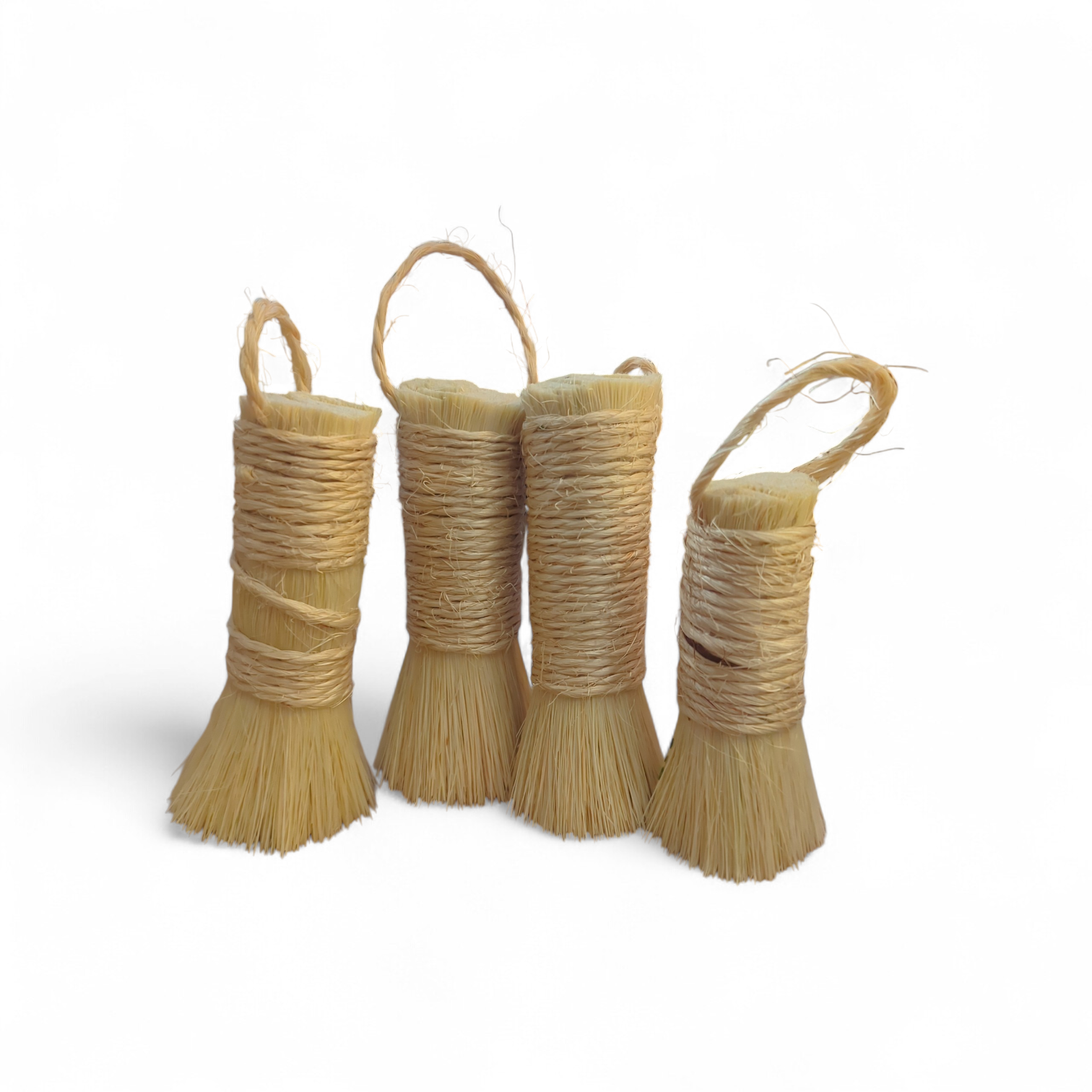
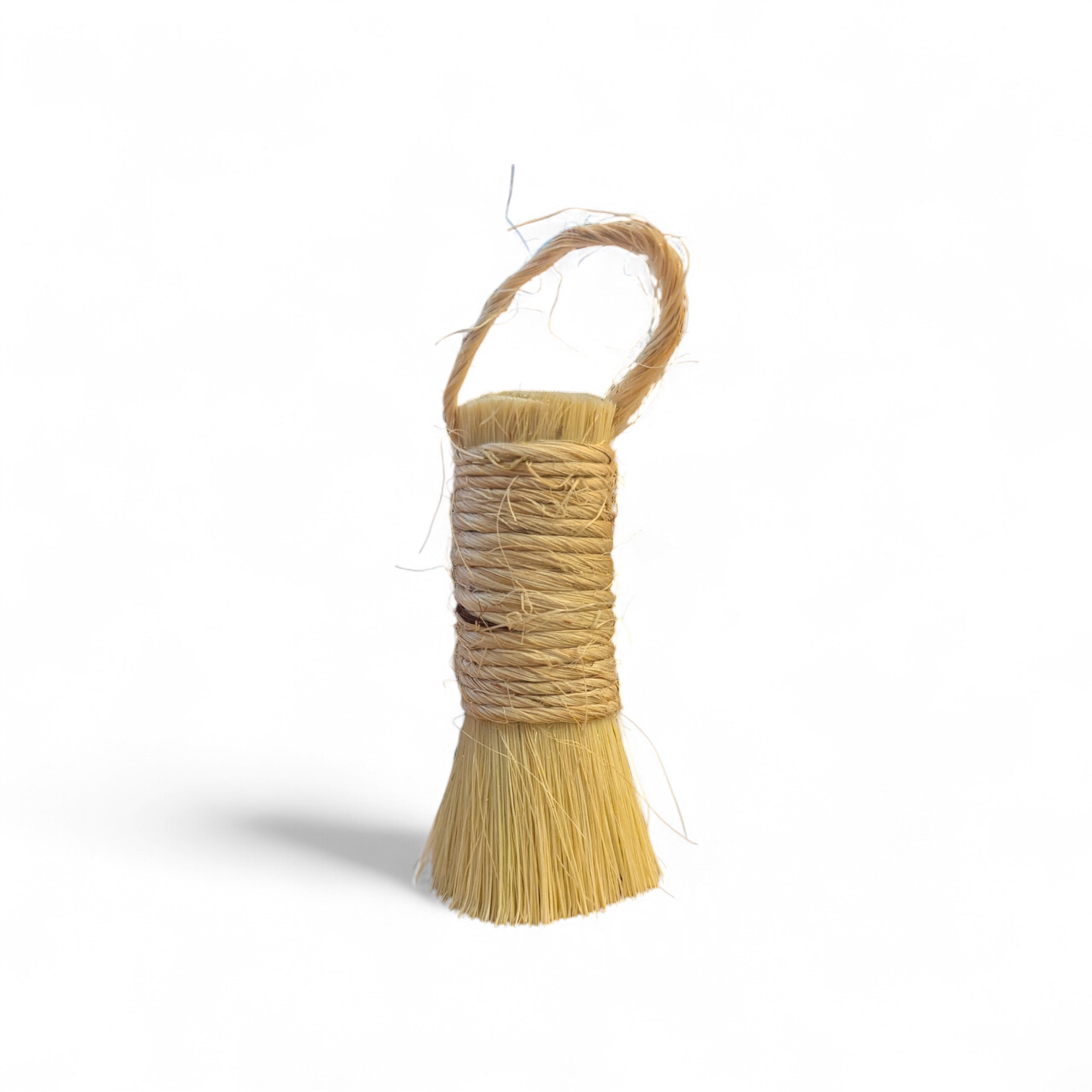
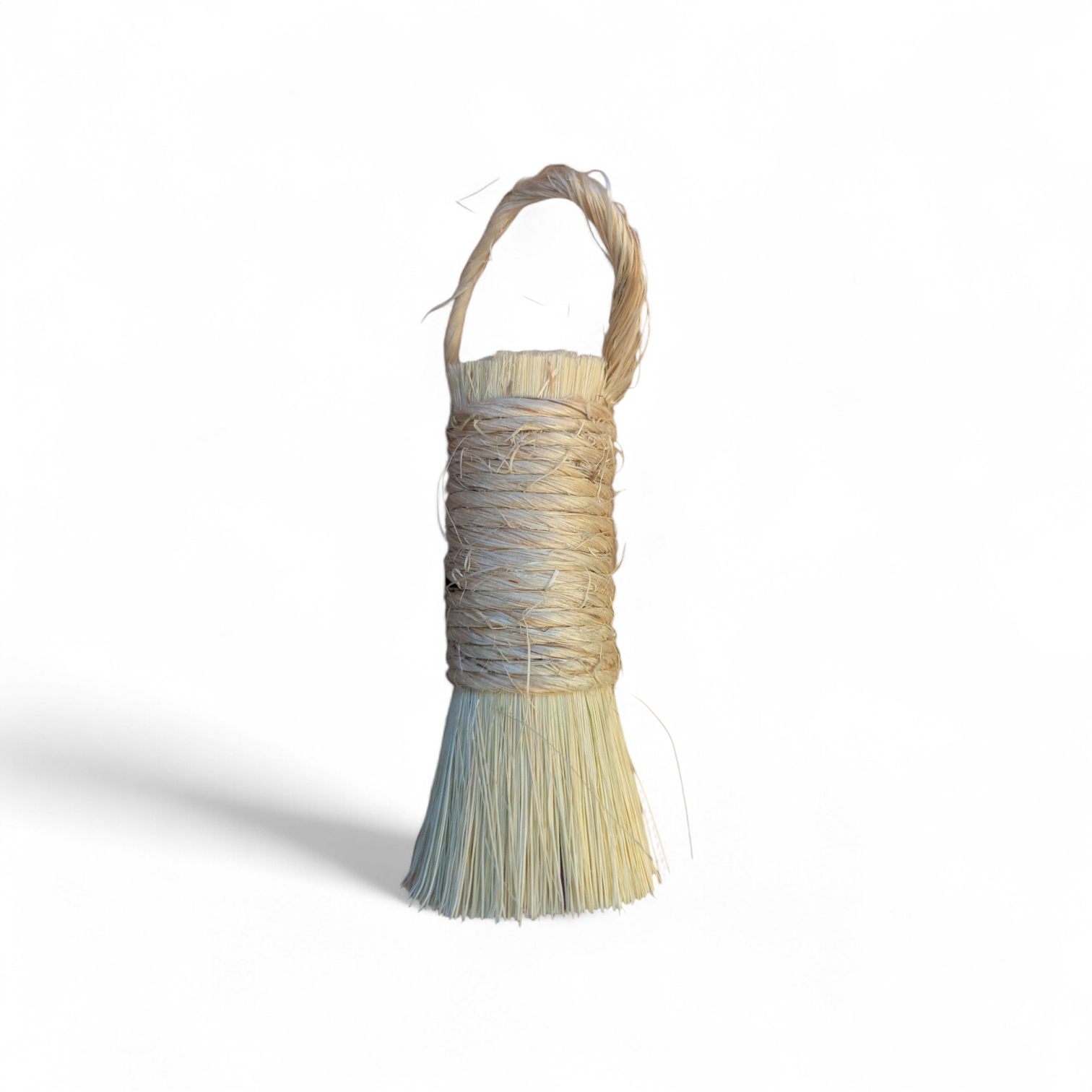
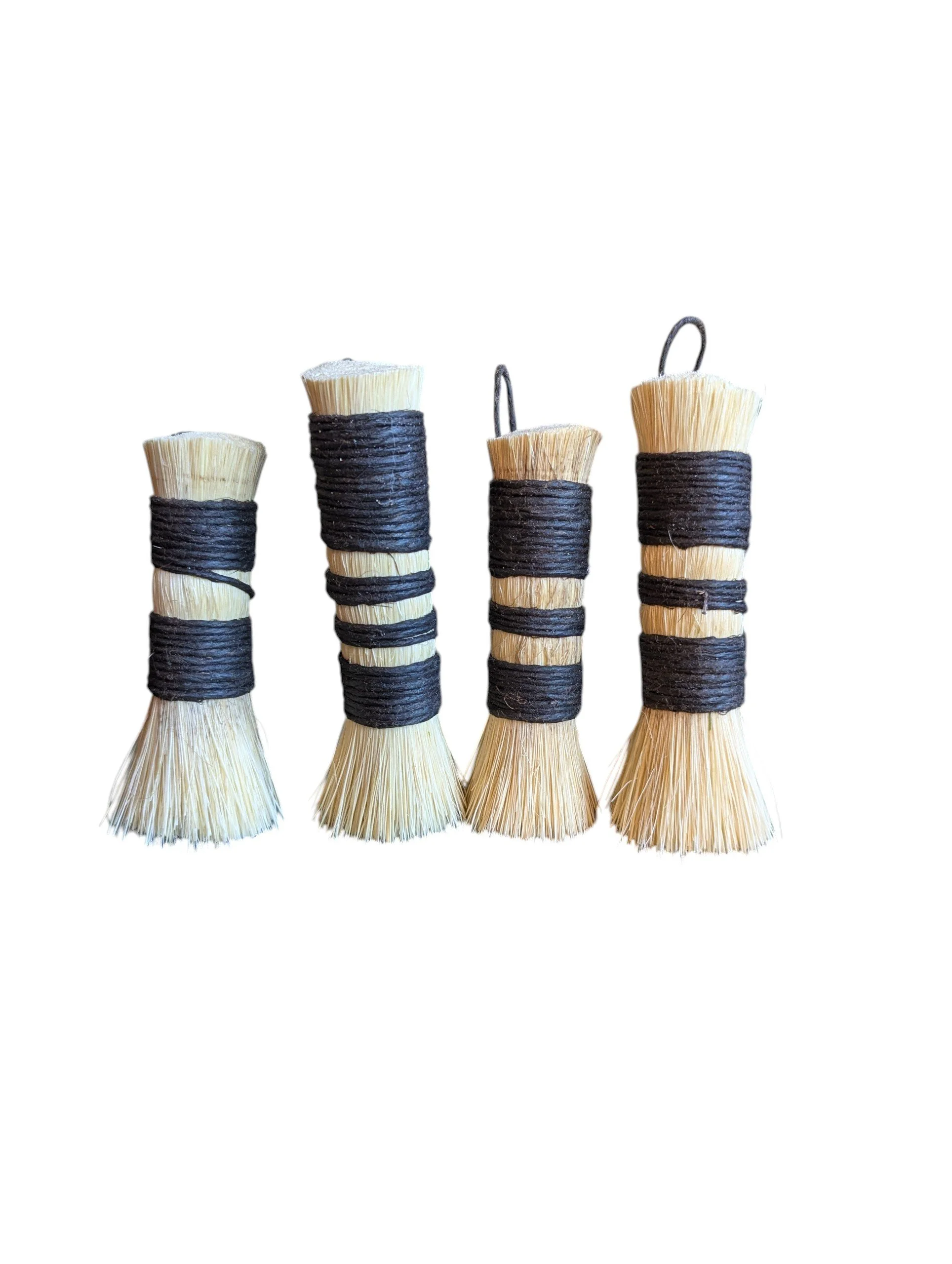
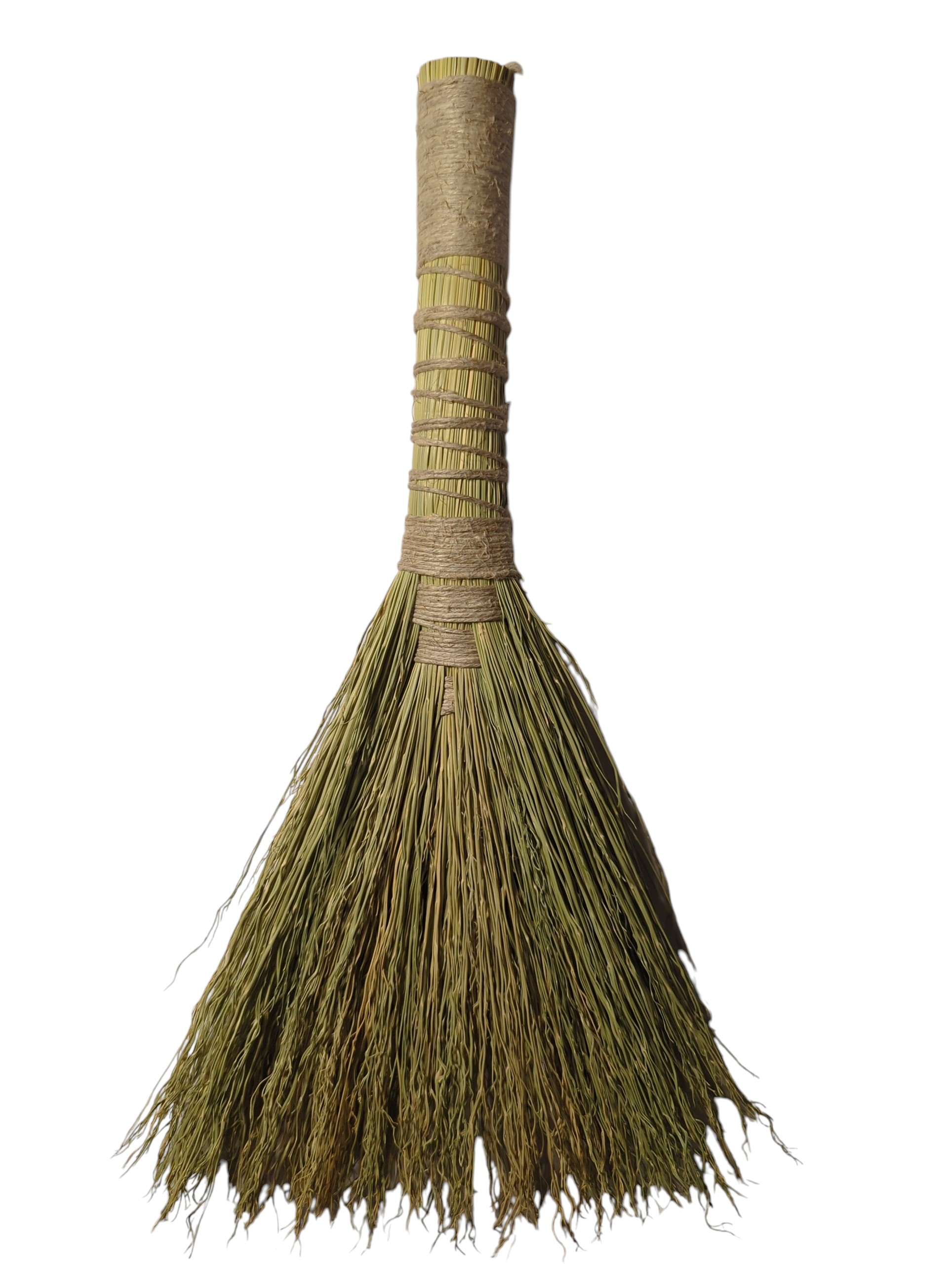
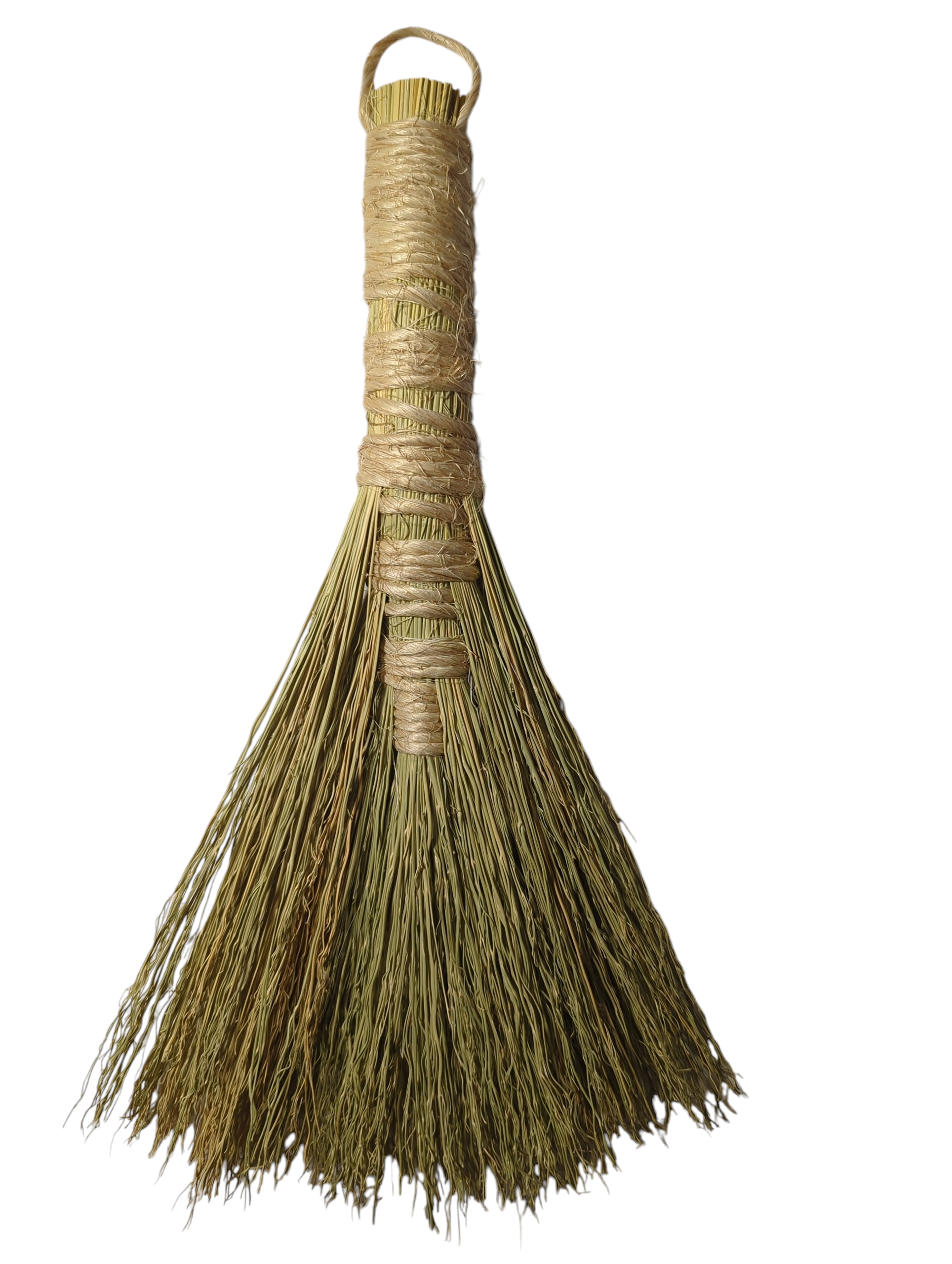
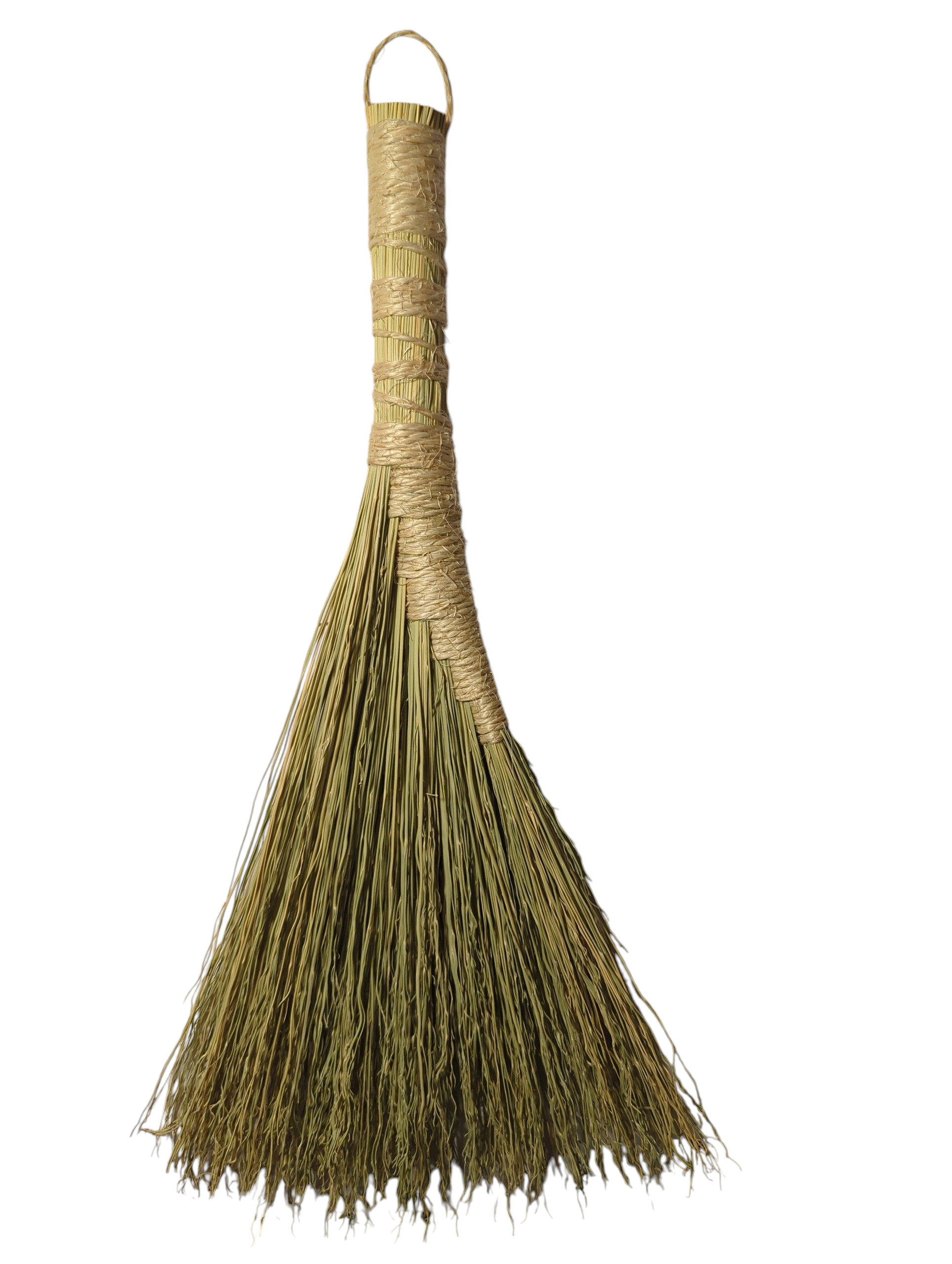
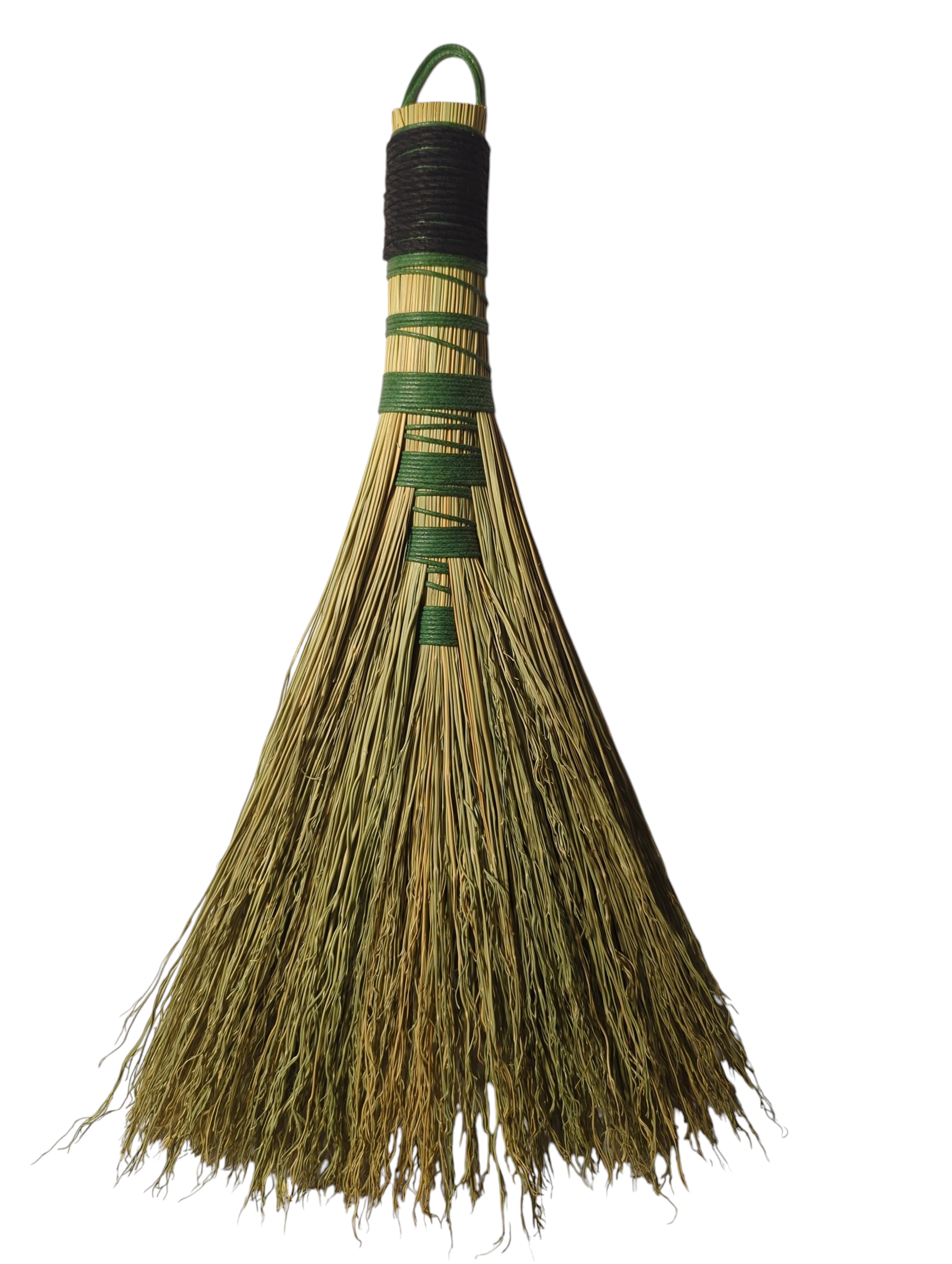
If you're using the Tampico Scrubber, turn it over and use the firm, bound top to concentrate pressure on stuck-on food.
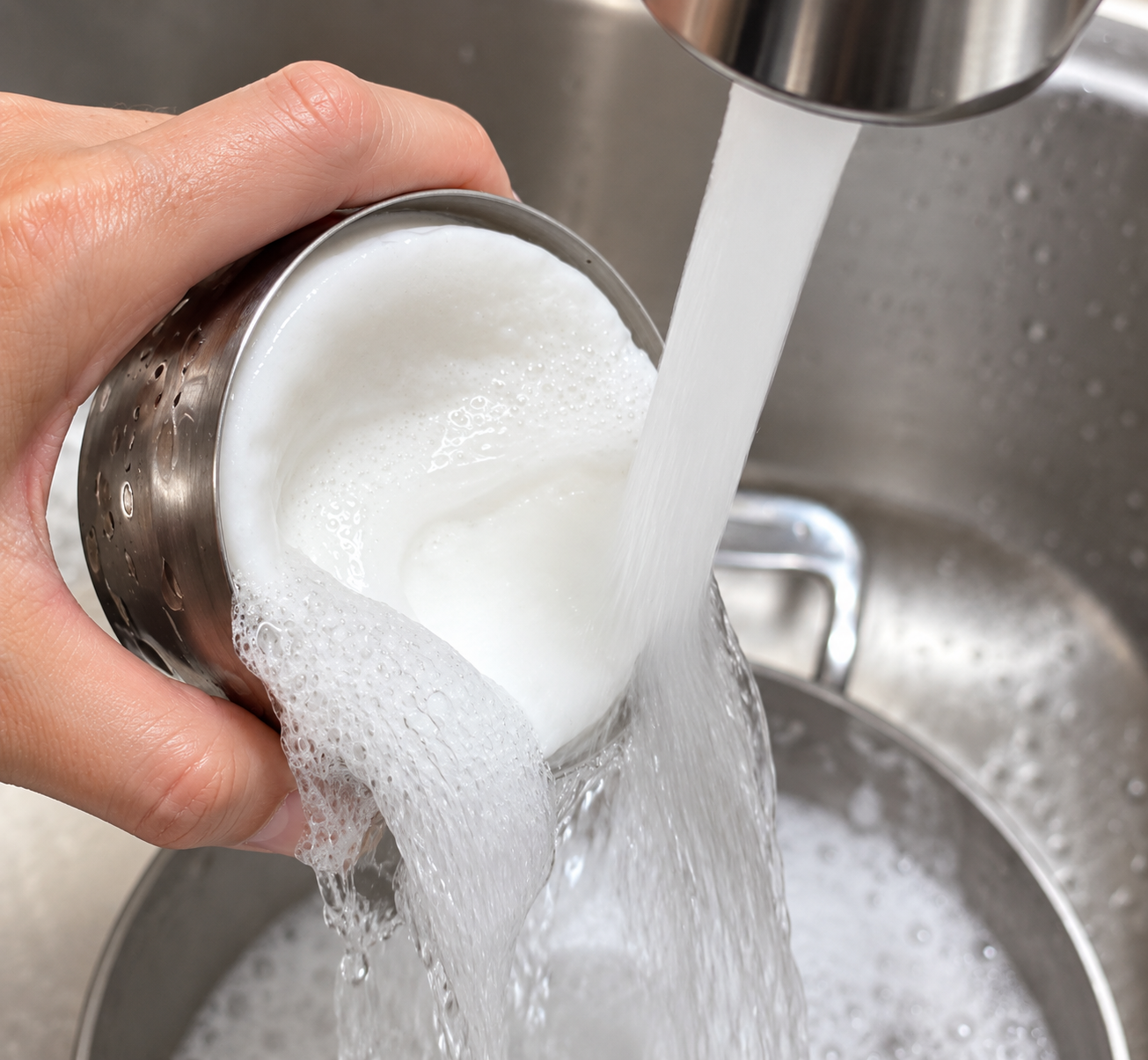
After use: Pour out any excess water that collects in the dish and allow the surface of the bar to dry between uses. Keeping it out of standing water will help you get the most life from your Dish Bar.